
Behind Every Plate: What We Learned from the SEC Kitchen
Inside the SEC kitchen: what sits behind every plate at a major venue, from local sourcing to reusable cups.
11 ViewsHow do you shift the food system of a major venue?
That was one of the questions we explored in Glasgow as part of the EAIE Sustainable Venues Collaboration Project, a two-year programme bringing major European venues together to learn from each other and accelerate change.
Our workshop focused on food. We mapped the system around it, looking at who influences what gets served and what happens afterwards: venues, organisers, caterers, suppliers, producers, delegates, charities, and “waste” partners. We then explored what good practice looks like today, and where there is potential to go further.
Some of the best learning came when we left the meeting room and went into the kitchen.
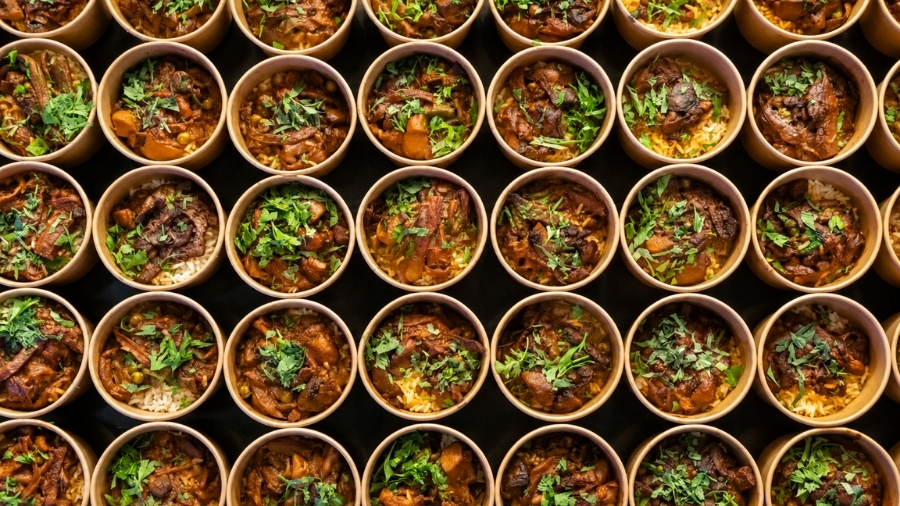
The team at the Scottish Event Campus (SEC) took us behind the scenes to see how they cater for events at scale. What struck us was how many of their sustainability decisions are simply good operational decisions.
SEC has invested around £1 million in its kitchen. They have been moving from gas to electric equipment, rethinking refrigeration, and investing in technology that saves time and energy. One new pressure-cooking system has reduced a cooking process from around three and a half hours to 45 minutes.
The same thinking is going into the food itself.
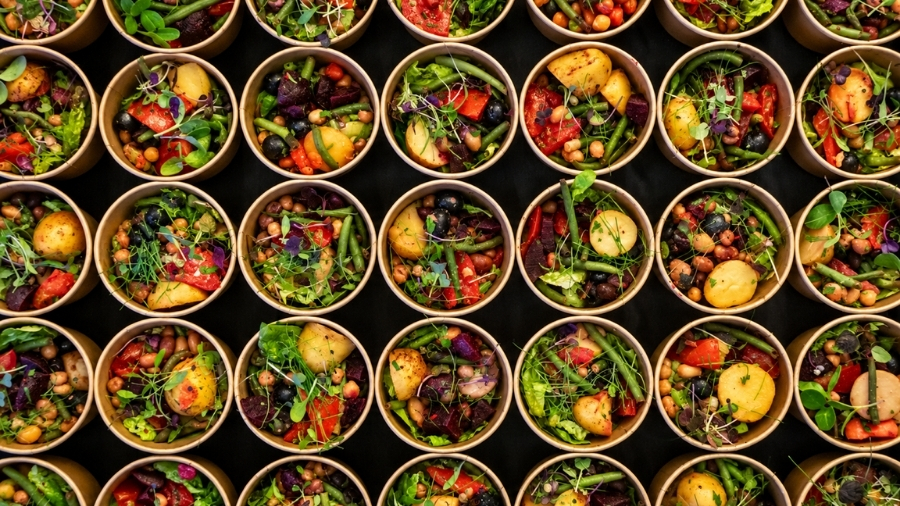
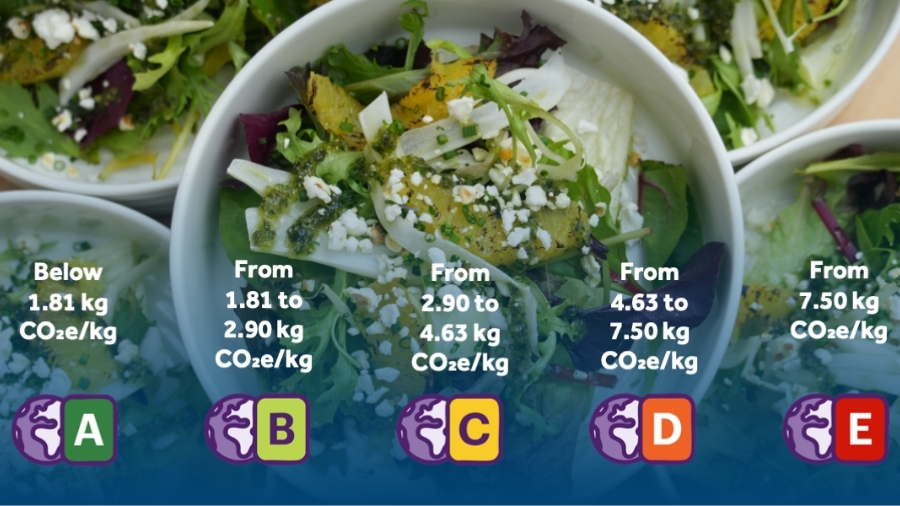
- The team is reducing meat portion sizes, introducing more plant proteins, and making deliberate ingredient choices based on environmental impact and ethical sourcing.
- Beef has been removed from the menu, while wild venison is served because it is abundant in Scotland and can offer a lower impact alternative.
- Farmed salmon is avoided because of concerns around environmental impact and farming practices.
- Butter use is also being reduced, with plant-based alternatives being tested.
- Importantly, the reasoning behind these decisions is communicated to event organisers, helping them understand the choices being made and the impact of the food they select.
The conversation about local sourcing was particularly interesting.
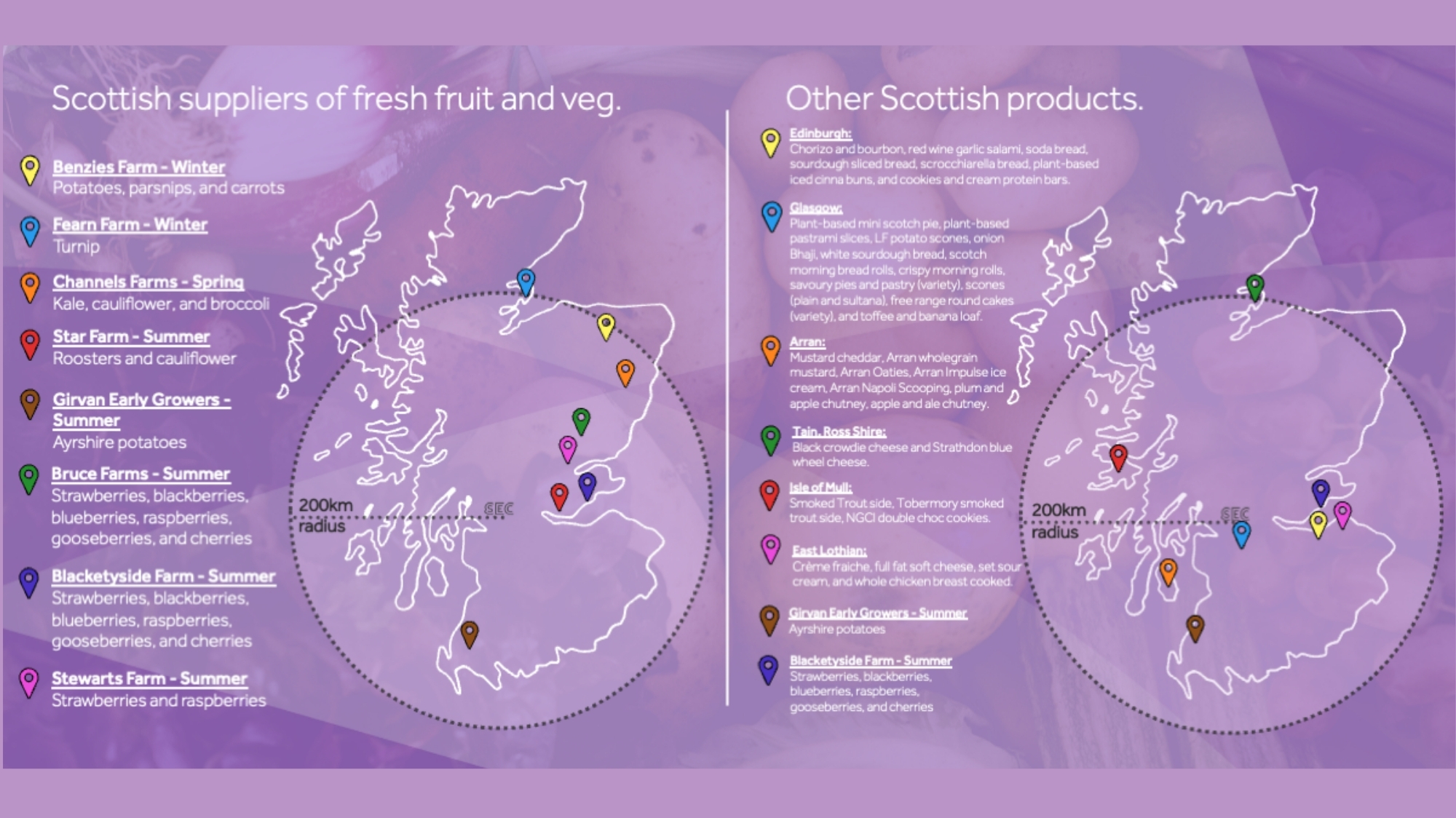
Buying local sounds easy until you are feeding thousands of people. A venue the size of SEC can place an order that a small producer simply cannot fulfil. So, the catering team is working closely with farmers and local producers to understand their capacity, pressures, and challenges. That means building longer-term relationships, planning demand more carefully, and looking at how purchasing decisions can support smaller businesses without overwhelming them. In some cases, that can mean helping producers understand future demand, giving them greater confidence to invest and grow, and creating a stronger, more resilient local supply chain over time. The question then becomes much more interesting: how do you use the purchasing power of a major venue to support local producers, strengthen the regional food economy, and still deliver consistently at scale?
“Waste” was another area where practical innovation is happening.
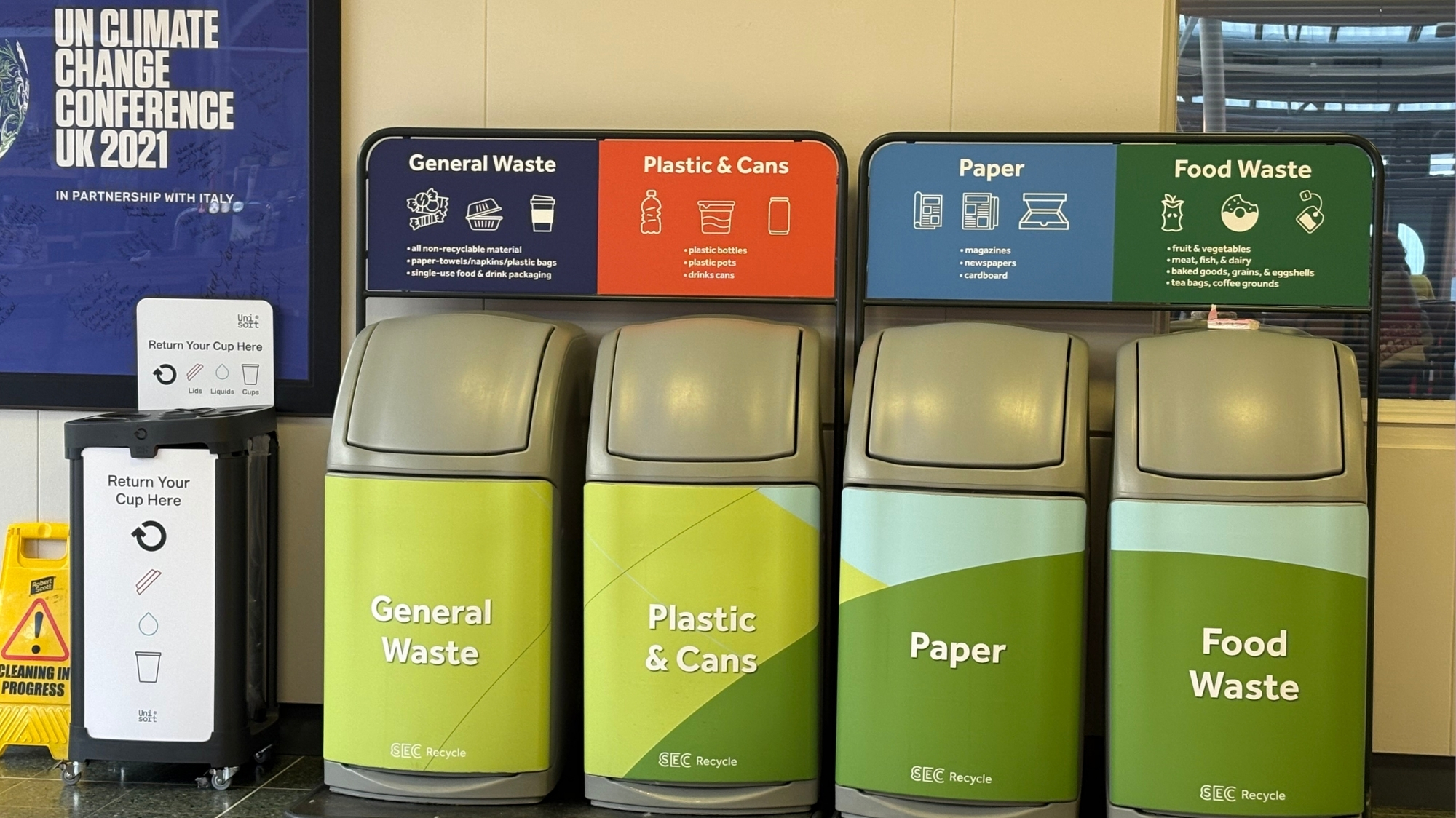
The team weighs unused and leftover food every day and reviews plate leftovers several times a week. Its members have been experimenting with AI to understand what is being thrown away and why. Surplus food is used for staff meals or redistributed through charity partners. The team has also redesigned its waste stations to make disposal clearer and easier for attendees. Simple, visible guidance helps people understand where different types of waste should go, reducing contamination, and improving the chances that materials are recycled or processed correctly.
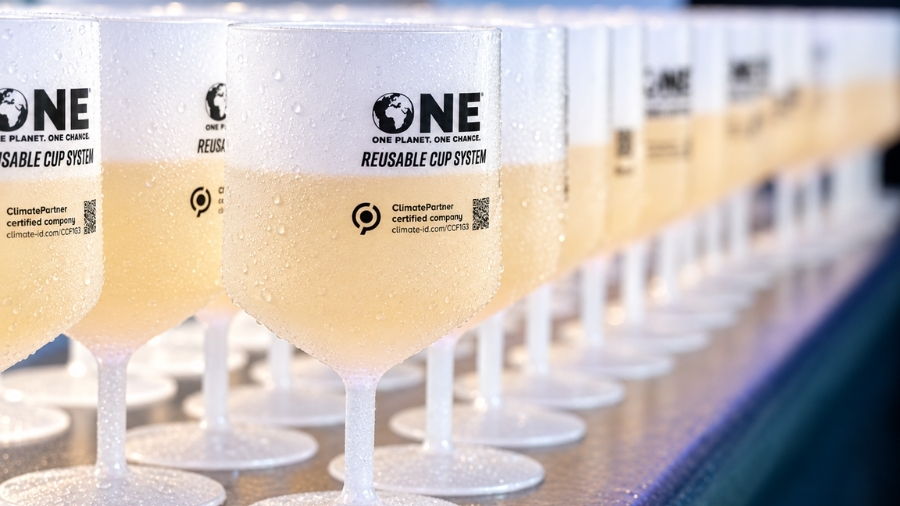
Then there are the [reusable] cups.
A reusable cup seems like a relatively simple intervention. In reality, it needs a system around it: collection points, clear communication, storage, transport, washing, and getting the cups back into circulation. At SEC, the washing facility is around six miles away. For larger events, they are now exploring whether washing can happen onsite.
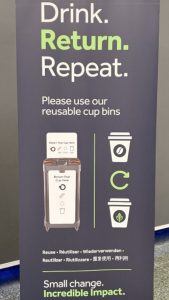
That example stayed with me because it sums up much of what we learned in Glasgow.
Individual actions matter. Their impact grows when the system around them works.
People sit at the centre of that system. The chef talked about apprenticeships, training, recruitment, experimentation, and sharing what works across other venues. There was a real sense of continuous improvement: try something, measure it, learn from it, and make it better.
This is where the EAIE collaboration gets interesting.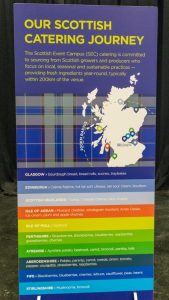
Major venues have significant purchasing power, infrastructure, expertise, and influence. Event organisers also shape demand through their briefs, budgets, menus, and expectations. Working together gives us an opportunity to go much further than improving individual catering practices does.
Through this, we can start to ask a bigger question:
What would a genuinely regenerative food system for major events look like?
The Glasgow workshop gave us plenty to build on.
 More
- Explore Glasgow’s 2026 sustainability performance in detail here