
Ranking and Results
Below you can use the search criteria to find or compare specific destinations by region, city size, or percentage improvement to find your perfect sustainable business destination.
Explore our comprehensive list of all GDS-Index rated destinations and their overall performance scores.
You can also see how each destination has performed in each category, providing a more detailed analysis of their sustainability efforts.
Destinations with identical rounded scores are separated by the decimal places. No two destinations in the 2026 GDS-Index have exactly the same score. For more detailed scores see the Top 40 page
- Any size
- Small city
- Medium city
- Large city
- Metropolis
- Megacity
- Any category
- DMO
- Environment
- Social
- Supplier
- Any region
- Asia-Pacific
- Central & Southern Europe
- North America
- Northern Europe
- Any
- % Improvement
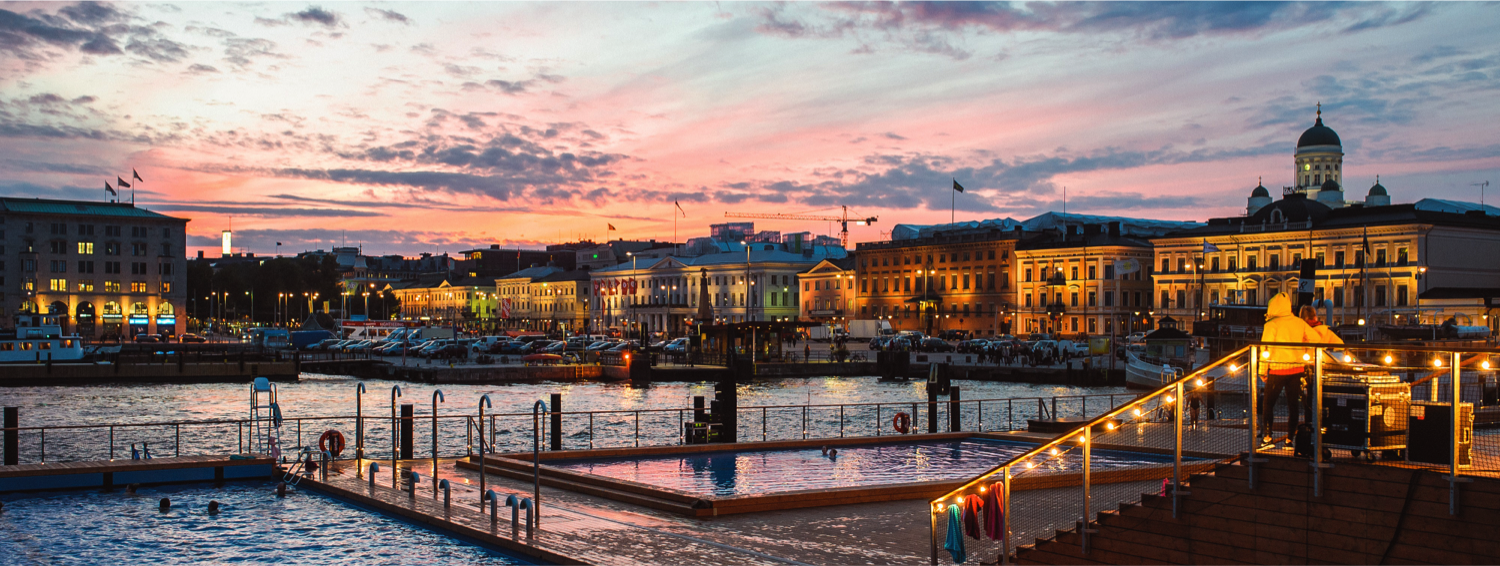
Helsinki, Finland
93 %
Helsinki's goal is to be an international pioneer and provider of solutions in sustainable tourism and events
View Item
Gothenburg, Sweden
91 %
The vibrant heart of Scandinavia. The cool and friendly little sister. Home to world-class restaurants, to diverse cultural scenes, sustainable living, and surrounded by beautiful nature. This is Gothenburg. We are a destination that wants to make an impact. Investing in sustainability is wise and aims to be a strong force for positive change. We also know that together, you go further. That’s why collaboration is a key element in our strategies and why we share our best practices freely to inspire other destinations. Gothenburg's approach to sustainability has through the years gained international recognition. The city has been the leader in the Global Destination Sustainability Index seven times 2016-2023 (no ranking was made in 2020) and was the European Capital of Smart Tourism in 2020. Lonely Planet also named it the world's Best Sustainable City Stay 2021. In April 2022, Gothenburg became one of the European Union’s 100 climate-neutral and smart cities – forerunner cities on a mission towards climate neutrality 2030. Gothenburg is also a European Capitals of Inclusion and Diversity Awards winner. With a vision of being fossil-independent by 2030, smart accessibility and mobility with 95 percent of public transport running on renewable energy, a sustainable tourism ecosystem with approximately 88 percent of environmentally certified hotel rooms, a strong legacy program for events and meetings, and a strive for a more circular economy, we have made sustainability our business.
View Item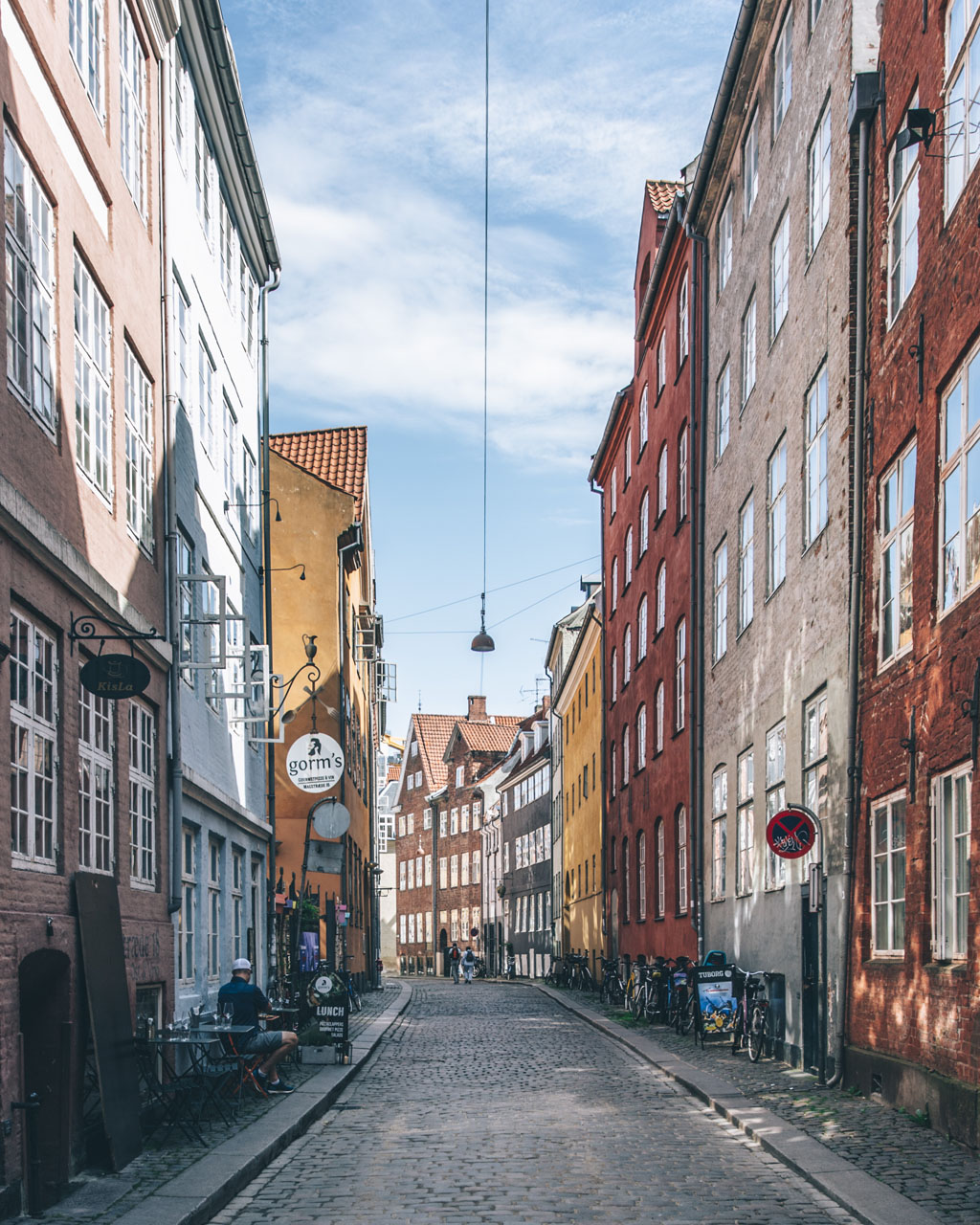
Copenhagen, Denmark
90 %
In 2018, Copenhagen’s DMO, Wonderful Copenhagen launched its sustainability strategy ‘Tourism for Good’ with an ambition to ensure that tourism has a positive impact on local and global sustainable development. Contributing to the realisation of UN SDGs, the strategy consists of four focus areas: Broadening tourism, Tourism choices matter, Partnerships for good and Leading by example. The same year, the strategy won the ICCA Innovation Award. In the beginning of 2019, Wonderful Copenhagen became the first DMO to receive the Green Tourism Organization certification – a certification that focuses on supporting destinations and organisations that make an extra effort for sustainability.
View Item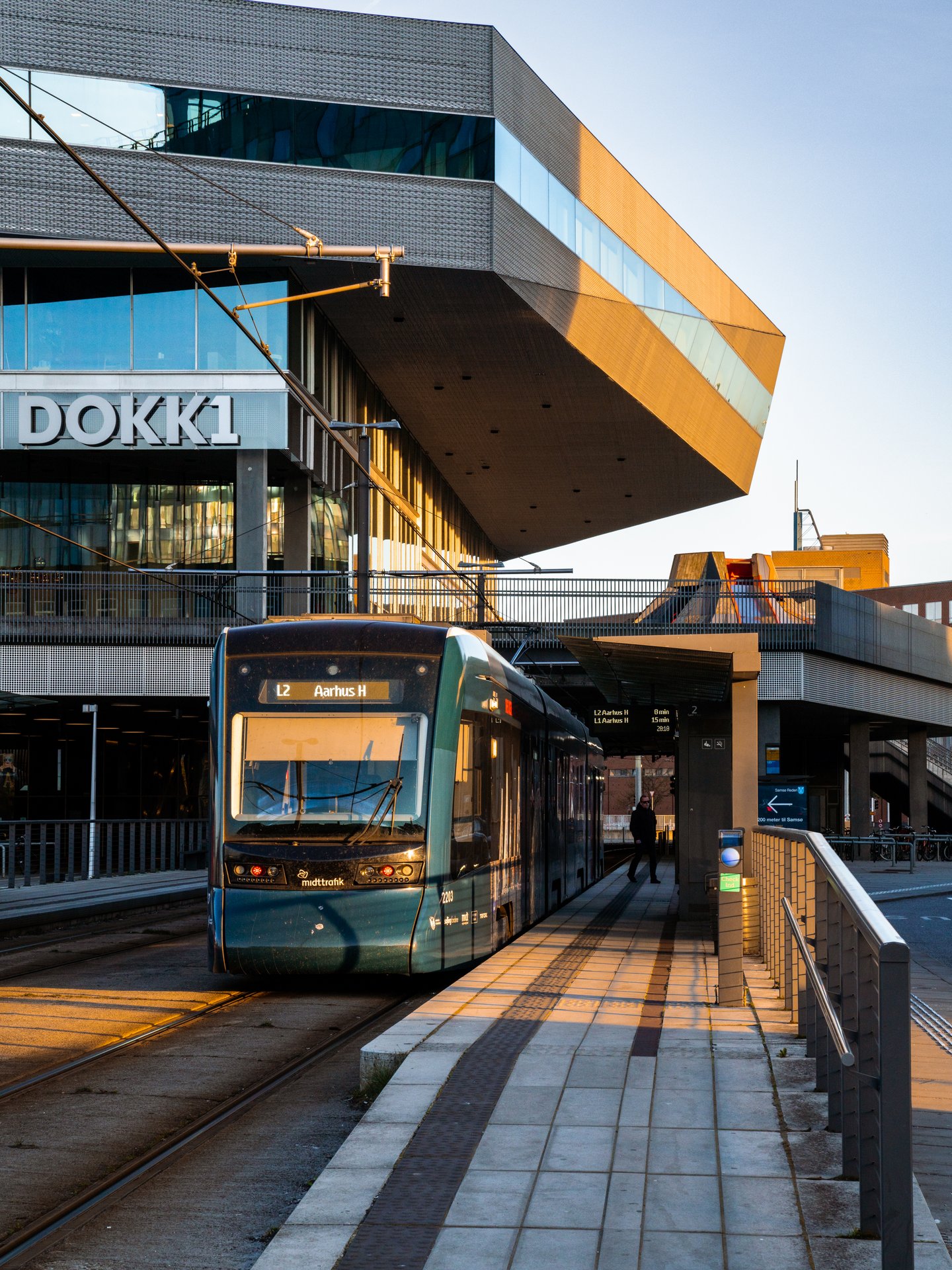
Aarhus, Denmark
90 %
Actions speaks louder than words - and the climate changes require action! But to make the actions have an impact, a DMO cannot walk alone. In Aarhus we have formed a close, strategic collaboration between the key stakeholders (Aarhus University, the DMO, the Municipality and Aarhus Events). As a result a Green Handbook for Events and Conferences was published and is free and accessible to all. We believe that a hands-on approach combined with a strategic collaboration is the best way to act and to make an impact. It should not be difficult to choose a more sustainable option - it should be the natural choice. We hope our approach can inspire others!
View Item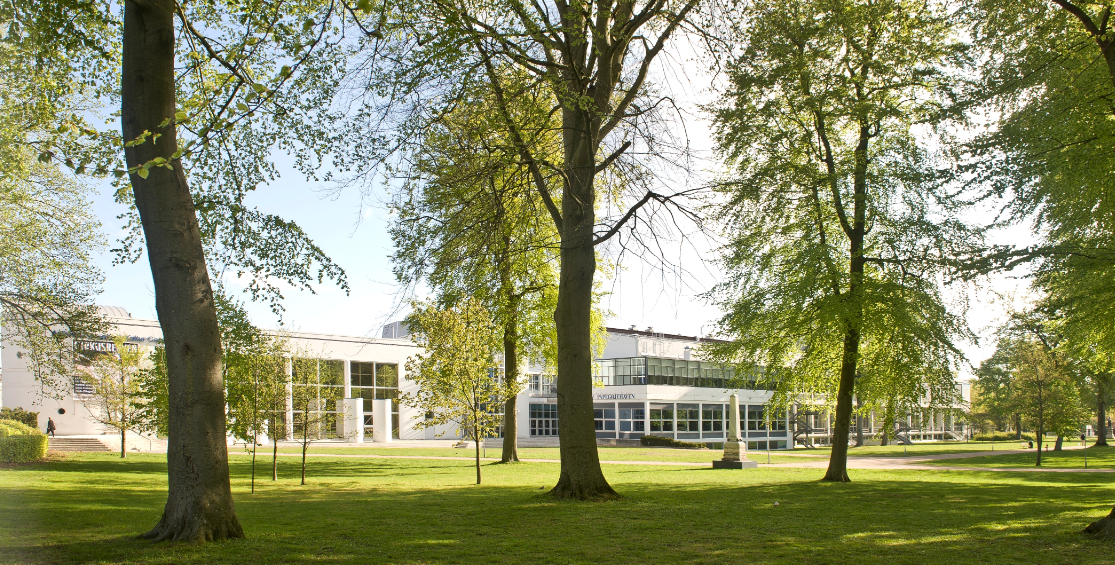
Aalborg, Denmark
88 %
The sustainability program for Destination Nord 2023-25 aligns with the national agenda for sustainable growth in Danish tourism. It aims to maintain Denmark's attractiveness as a tourist destination while fostering environmentally, socially, and economically sustainable growth. This entails transitioning Danish tourism towards a model that benefits businesses, tourists, local communities, culture, nature, and society at large. Destination Nord supports the national strategy by spearheading local tourism promotion efforts and creating optimal conditions for sustainable tourism development in Aalborg, Frederikshavn, Brønderslev, and Læsø municipalities. Additionally, it seeks to influence sustainable development across national tourism organizations, inter-municipal destination companies, and the business sector. Destination Nord’s purpose is to foster responsible development and have a significant positive impact on the economy, environment, and society. Sustainability is integrated into Destination Nord’s core business strategy, focusing on developing a new tourism geography based on unique landmarks, narratives, and initiatives that generate long-term business and sustainable growth through partnerships, branding, marketing, and knowledge sharing. Destination Nord’s sustainability ambitions encompass environmental, social, and economic aspects, guided by the principles of resilience and regenerative development. Destination Nord aims to contribute more to society than Destination Nord consumes, protecting and benefiting the local environment and culture. The strategy incorporates the UN Sustainable Development Goals (SDGs) and the ten principles of the UN Global Compact into Destination Nord’s three focus areas: environmental, social, and economic sustainability. Environmental Sustainability: Destination Nord monitors and reduces its environmental footprint internally and supports tourism stakeholders in transitioning to sustainable practices, with a focus on climate action and waste reduction. Social Sustainability: Destination Nord prioritizes human rights, diversity, and inclusion, aiming to create decent employment opportunities, promote safety, health, and well-being, and educate stakeholders on sustainability and diversity agendas. Economic Sustainability: Destination Nord works to achieve long-term economic growth while minimizing environmental impact and social inequality. Destination Nord support businesses in adopting circular practices, fostering innovation, and improving infrastructure. The sustainability efforts are overseen by the top management team and a cross-functional sustainability committee led by a Sustainability Manager, ensuring alignment with the organization's overall strategic direction and goals. Detailed action plans with short and long-term targets have been developed for environmental and social sustainability, aiming to make a positive difference in the local community and beyond.
View Item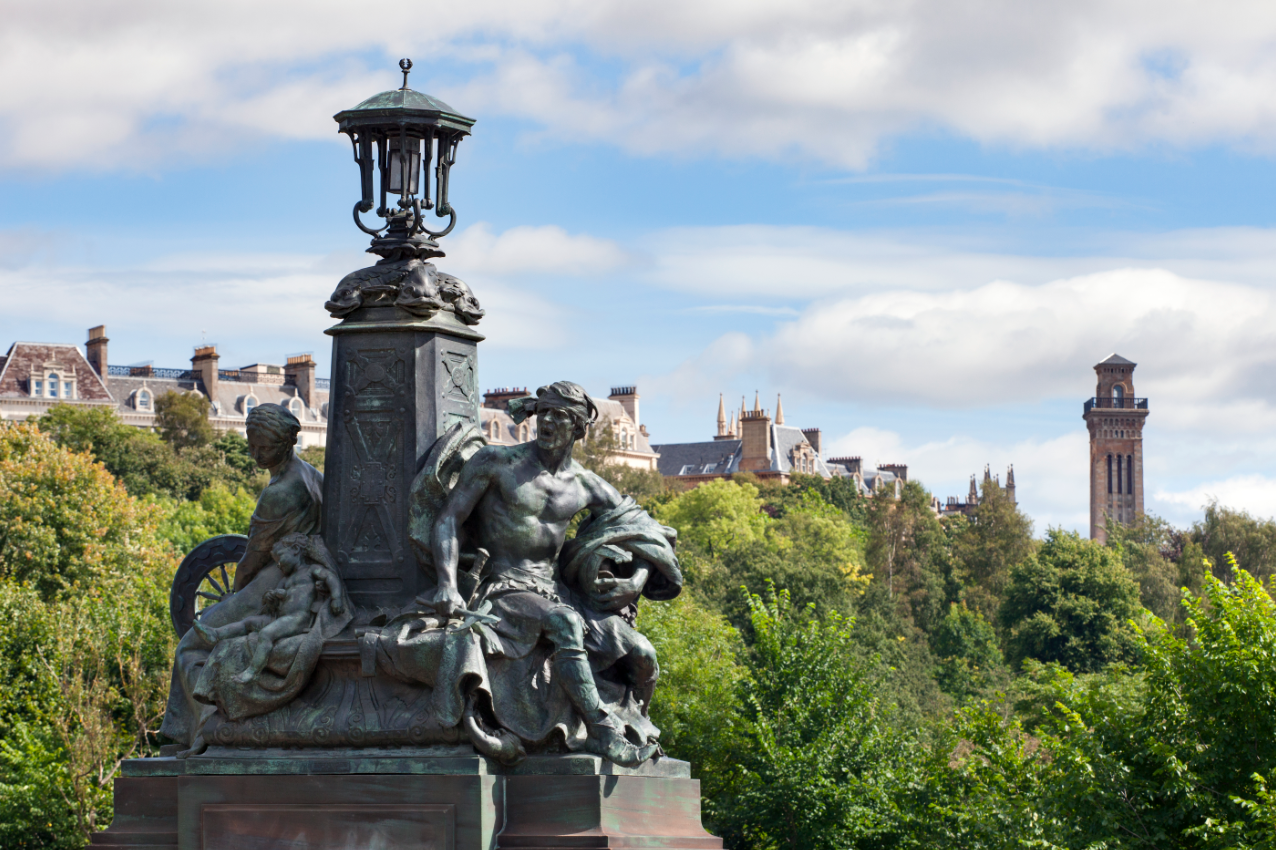
Glasgow, United Kingdom
88 %
Glasgow aims to be at the forefront on climate change with ambitions to become the UK's first carbon neutral city by 2030 and a world leading centre for sustainable policy and innovation. Glasgow has featured within the top 15 of the GDS-Index since it joined back in 2016. The ranking recognises the huge strides the city is making around driving forward systemic and cultural change which supports positive environmental and inclusive impact.
View Item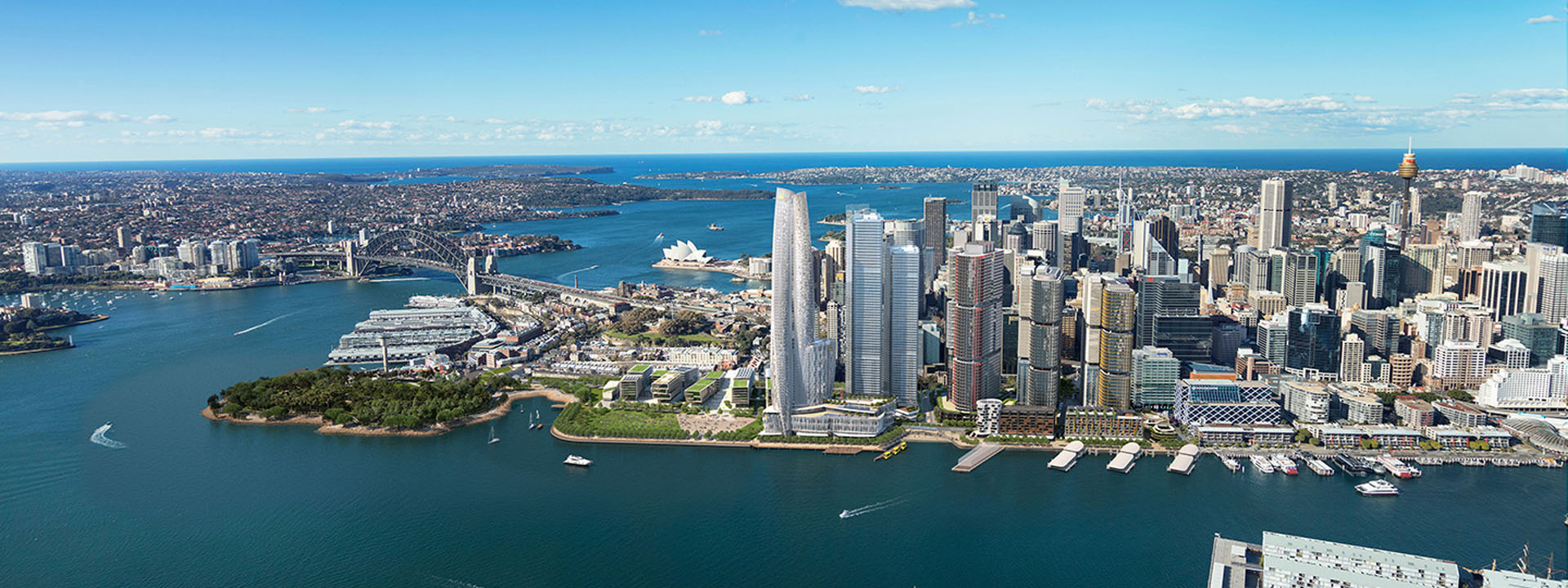
Sydney, Australia
87 %
Sydney, via a partnership between the city government and the convention bureau BESydney, was one of the first cities globally and the first in Australia to join the Global Destination Sustainability Index. Previously focusing on the business events sector and residents respectively, BESydney and the City of Sydney were this year joined by the State Government’s tourism and major events agency, Destination NSW. Destination NSW is the lead agency, champion and voice for the visitor economy within NSW. Together these organisations are working to drive sustainable, and increasingly regenerative, custodianship of our beautiful harbour city.
View Item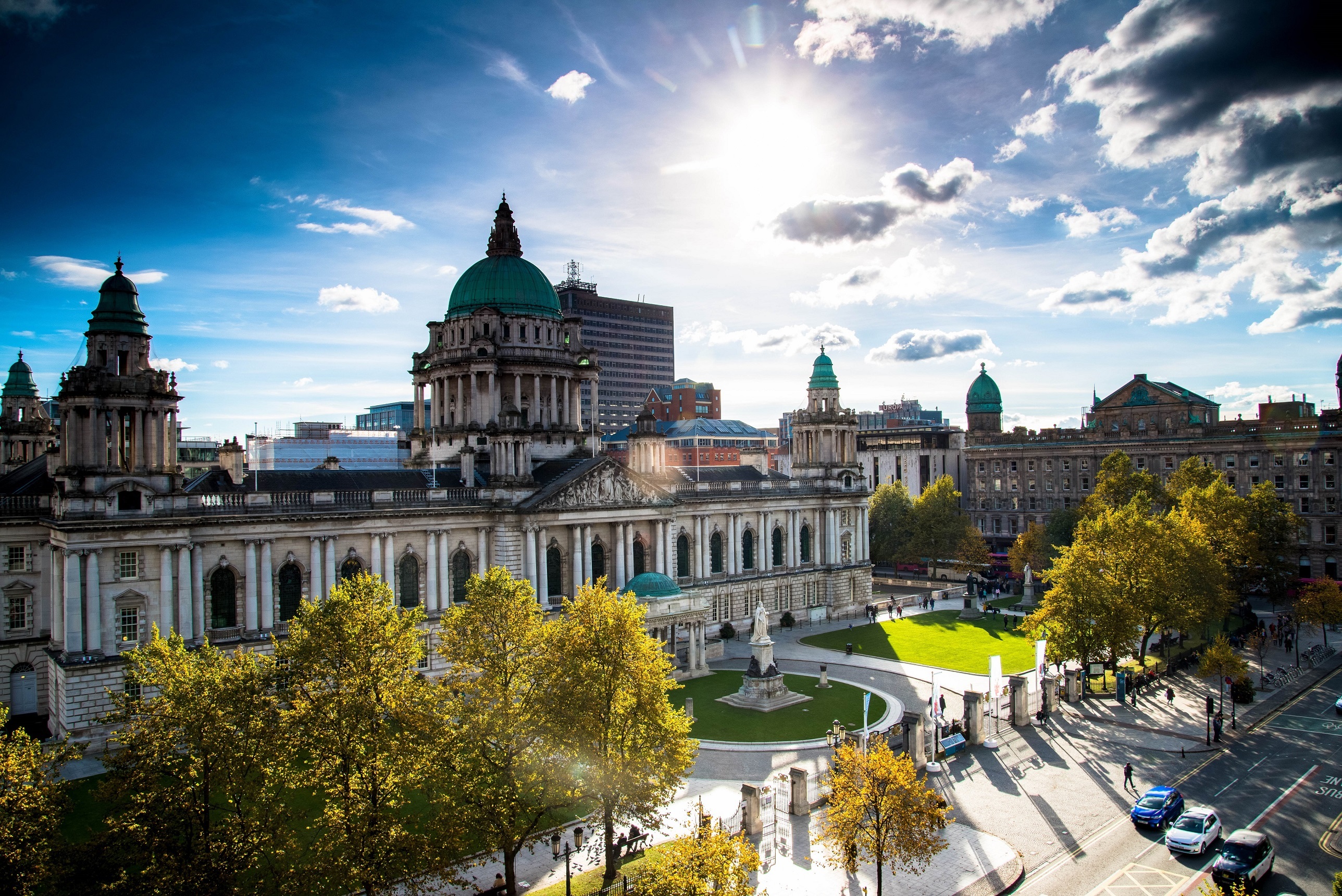
Belfast, United Kingdom
87 %
Belfast launched its Resilience Strategy, the city’s first climate plan in December 2020. It sets out 30 transformational programmes to transition Belfast to an inclusive, zero-emissions, climate-resilient economy within a generation. As the city’s Destination Marketing and Management Company, Visit Belfast continues to play a critical role in supporting Belfast’s ambition through leading delivery of sustainable tourism in partnership with Belfast City Council and our industry. Visit Belfast’s ‘New Horizon’s strategy 2024-2027’ and 2024-5 business plan is focussed on enhancing our efforts to: - Grow the visitor economy in the Belfast city region in an inclusive and sustainable way - Position the Belfast city region as a front of mind destination for leisure visits, business events and days out; - Enhance the experience for visitors by showcasing Belfast city region as a diverse and welcoming destination with a unique neighbourhood offer and; - Sustain its approach to championing sustainability, pioneering powerful impactful initiatives, inspiring sustainable choices amongst visitors and clients – and telling Belfast’s sustainability story.
View Item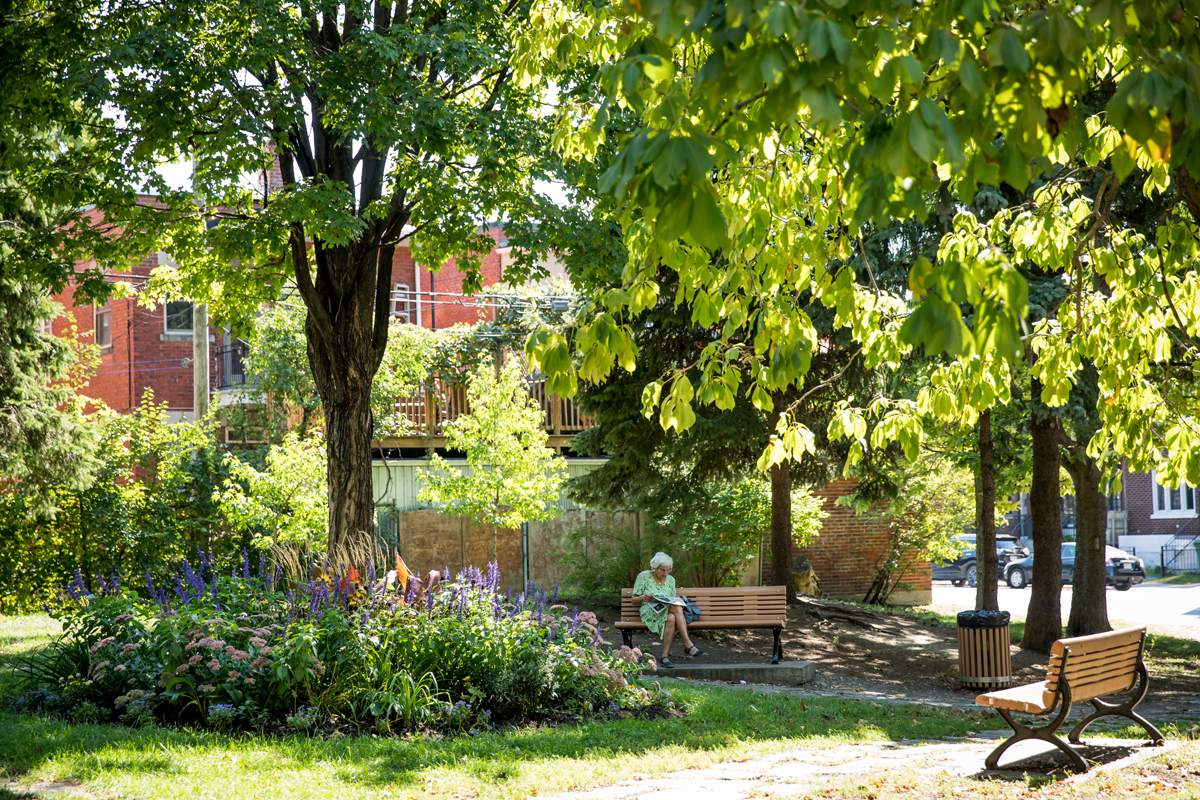
Montreal, Canada
87 %
The city of Montréal is actively engaged in sustainable development through its Montréal 2030 strategic plan, built around four pillars: speed up the ecological transition, strengthening solidarity, equality and inclusion, promoting democracy and participation, and stimulate innovation and creativity. As the destination management organization, Tourisme Montréal plays a key role in this transformation through its Strategy for a more sustainable tourism, which aims to balance the needs of residents and visitors while minimizing the environmental footprint of tourism activities.
View Item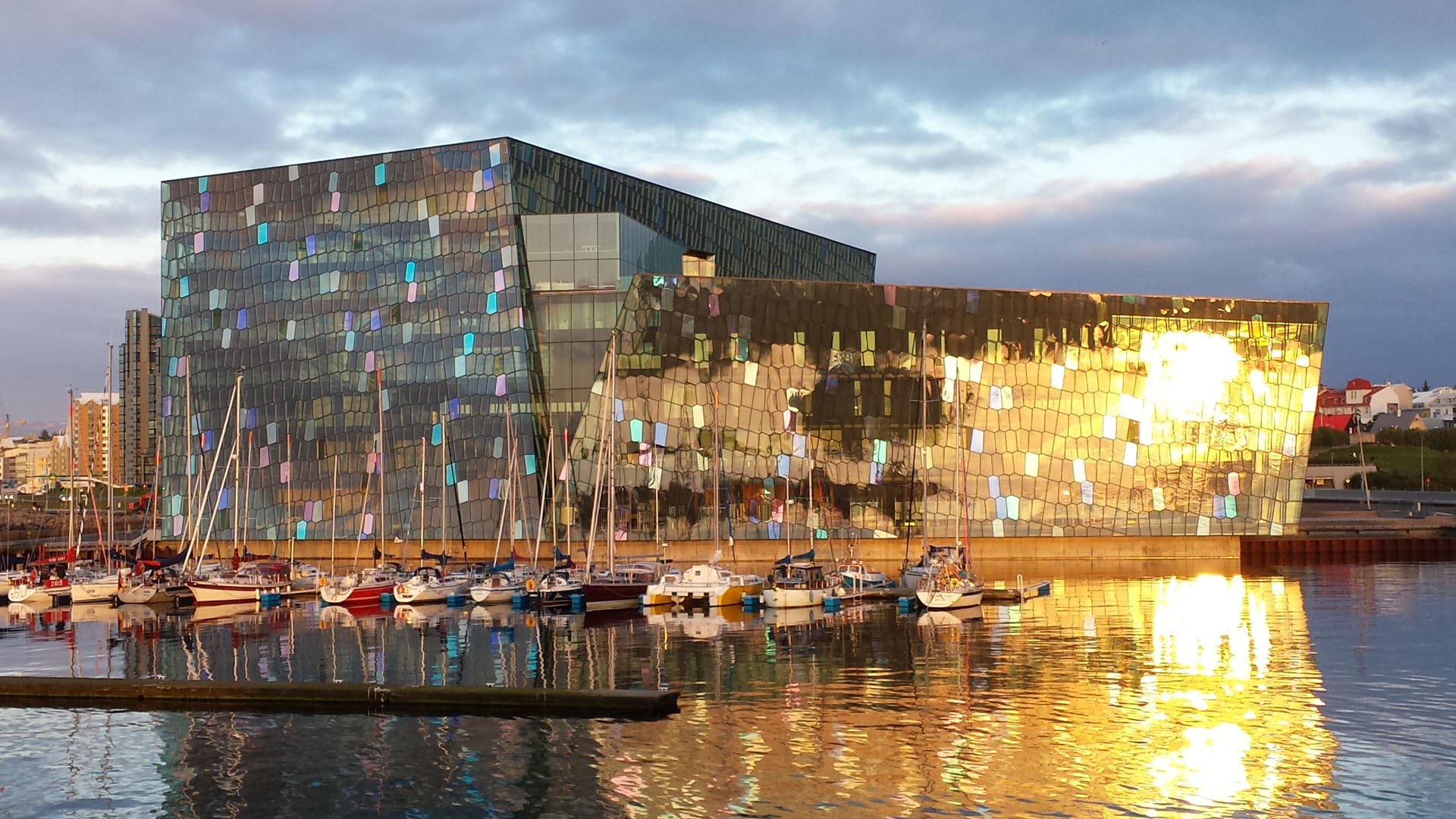
Reykjavik, Iceland
87 %
Reykjavík is a friendly and nurturing destination, bustling with culture and life, but also a unique natural gem infused with the pure energy that characterizes Iceland. Reykjavík's as well as Iceland's goal is to be a leading destination when it comes to sustainability. Meet in Reykjavík collaborate with Visit Reykjavík on the GDS Index. Meet in Reykjavík is the official Convention Bureau for Iceland and Reykjavík City. Our mission is to help business event planners create an unforgettable event in a one-of-a-kind destination. Meet in Reykjavík is a part of Business Iceland, a public-private partnership established to lead the promotion and marketing of Iceland in foreign markets and stimulate economic growth through increased export. Our vision and mission is built on four interconnected brand pillars that create a circular brand story: Our nature has shaped our people, people innovate, innovation drives sustainability, which helps nature thrive. Visit Reykjavík is the official tourism organization for the Reykjavik greater city area. It was established in 2023 by six municipalities and the tourism industry. Visit Reykjavík promotes and develops the whole destination in a sustainable way, with a focus on increasing economic activity. Through collaboration with partners in the tourism, transportation, and cultural sectors, Visit Reykjavík enhances the visitor experience and showcases all that Reykjavík has to offer.
View Item
Tampere, Finland
86 %
Tampere has been involved in the promotion of sustainable development commitments and cooperation ever since the local agenda work initiated in Rio in 1992. Tampere committed to the local implementation of the UN's 2030 Agenda goals in its City of Action strategy in 2021. The Tampere City Strategy lays the foundation for the city’s management and sustainability work. Strategy is based on recognised factors that will drive future changes, and represents the long-term goals of the city’s development from the present to 2030. Strategy's focus areas are equal individuals, active communities, climate neutral action and a pioneer of the future. In the strategy process, the key goals of the Agenda 2030 program were identified, and will be carried forward with the strategy's guidelines. At the same time city promotes the 2030 Agenda goals as a whole through city's strategic management system. Tampere compiled its first Voluntary Local Review on 2030 Agenda in May 2022. Development programmes are one way of putting the city's strategy into action. Examples of the major strategic changes Tampere pursues are climate neutrality by 2030, reducing the well-being gaps between its residents, strenghtening the experience economy and creative industries and sustainable city development through digital transformation. Visit Tampere’s goal is to minimize environmental effects of tourism and to strengthen the positive social, economic and cultural effects of tourism. We committed to achieving the City of Tampere’s goal of being carbon neutral by 2030 and carbon neutral tourism and events sector is our main strategic objective. We've signed the Glasgow Declaration Climate Action for Tourism. Our focus is in enabling a climate friendly visitor experience in Tampere and developing inspiring low carbon tourism mobility option and services together with companies. As a DMO we are part of Visit Finland's nationwide Sustainable Travel Finland programme and we actively promote it to our partners. The programme challenges companies to certify their business and provides comprehensive toolkit for sustainable tourism business development, marketing and management. Another important sustainability tool for companies is Think Sustainably service which is based on MyHelsinki Think Sustainably service. It encourages local companies to take steps towards climate-friendlier future and helps the locals and visitors to make sustainable choices. In addition to these we promote sustainability by training courses, events and communication with our partners and stakeholders. We see our natural environment, safety and sustainability as key elements of future success.
View Item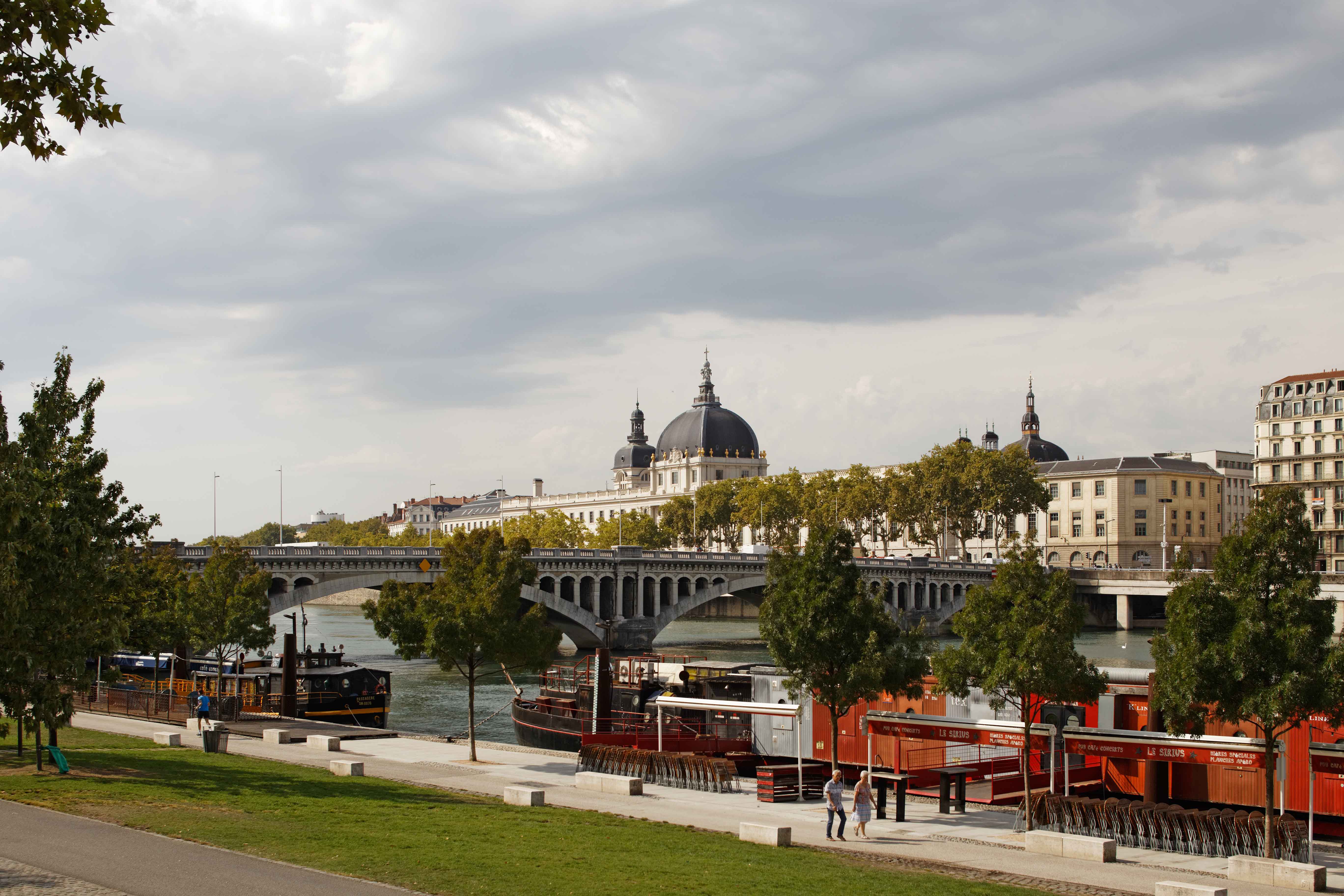
Lyon, France
86 %
Lyon got the European Capital of Smart Tourism 2019 award granted by the European Union. Bestowed for the very first time by the European Union, this competition honours this attractive, dynamic and accessible city's efforts to boost smart tourism thanks to trailblazing accomplishments in matter of digital innovations, environmental friendliness and the quality of life of its residents. The Lyon Metropole, all those involved in the tourist sector, including the inhabitants are committed to develop sustainable tourism to Lyon!
View Item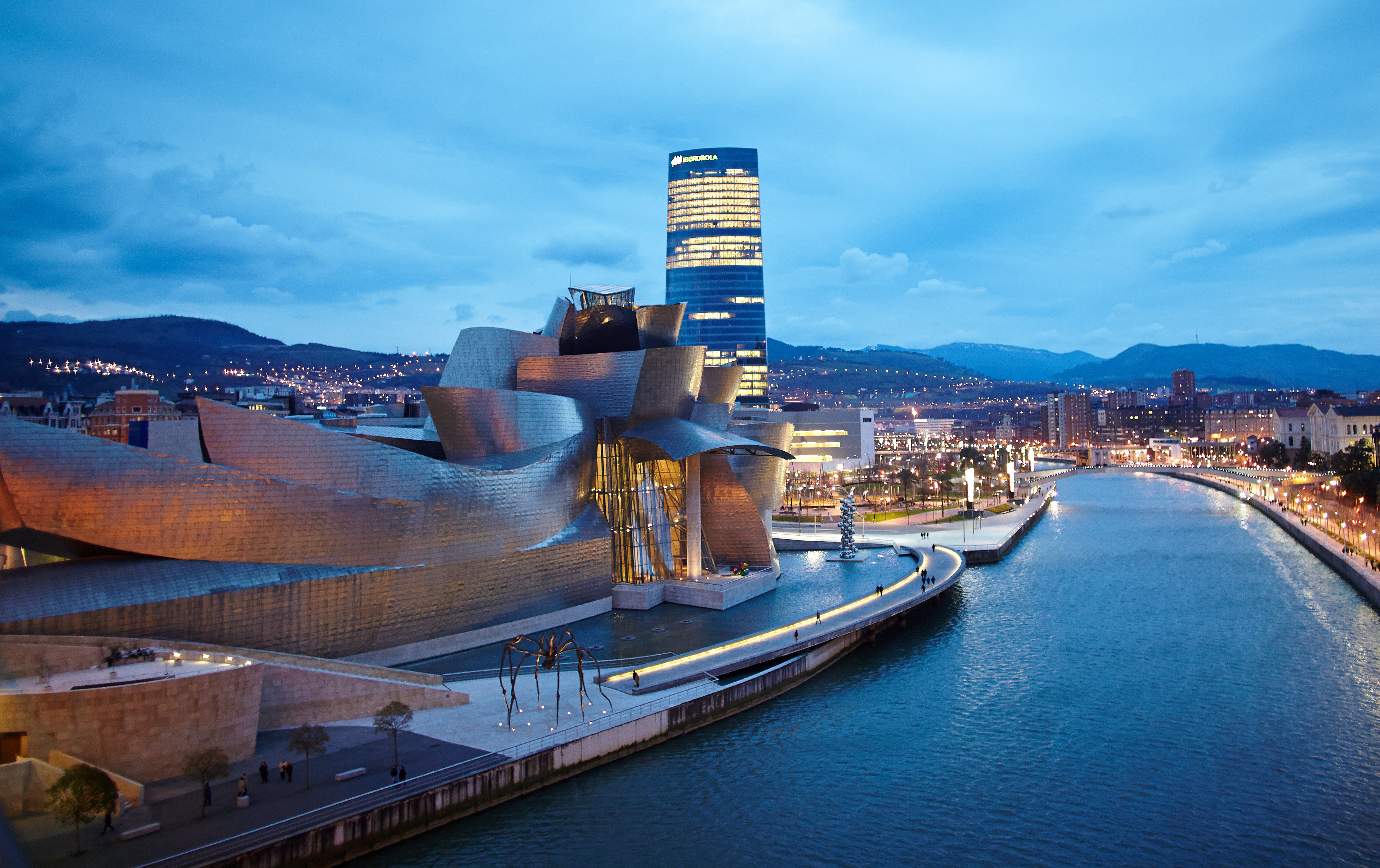
Bilbao, Spain
85 %
The city of Bilbao has been immersed in a process of complete remodelling for several decades. The result is remarkable: from being a completely industrialised city to the present day, where the city's facelift is remarkable. A strong commitment to sustainability has been key in this transformation process. Focused on the values of collaboration, inclusion, progress and quality of life, Bilbao is advancing as a sustainable destination, integrating improvement actions in companies, different groups of society and citizens. We are satisfied with the work done so far, but at the same time, we are aware of the need to continue improving day by day and not to be conformist at all. This is what we are doing, proposing and promoting sustainable initiatives that help to achieve a more sustainable destination. So far, we have perceived how the message has fully permeated in the citizenship and if we all row in the same direction it will be easier to achieve the objectives.
View Item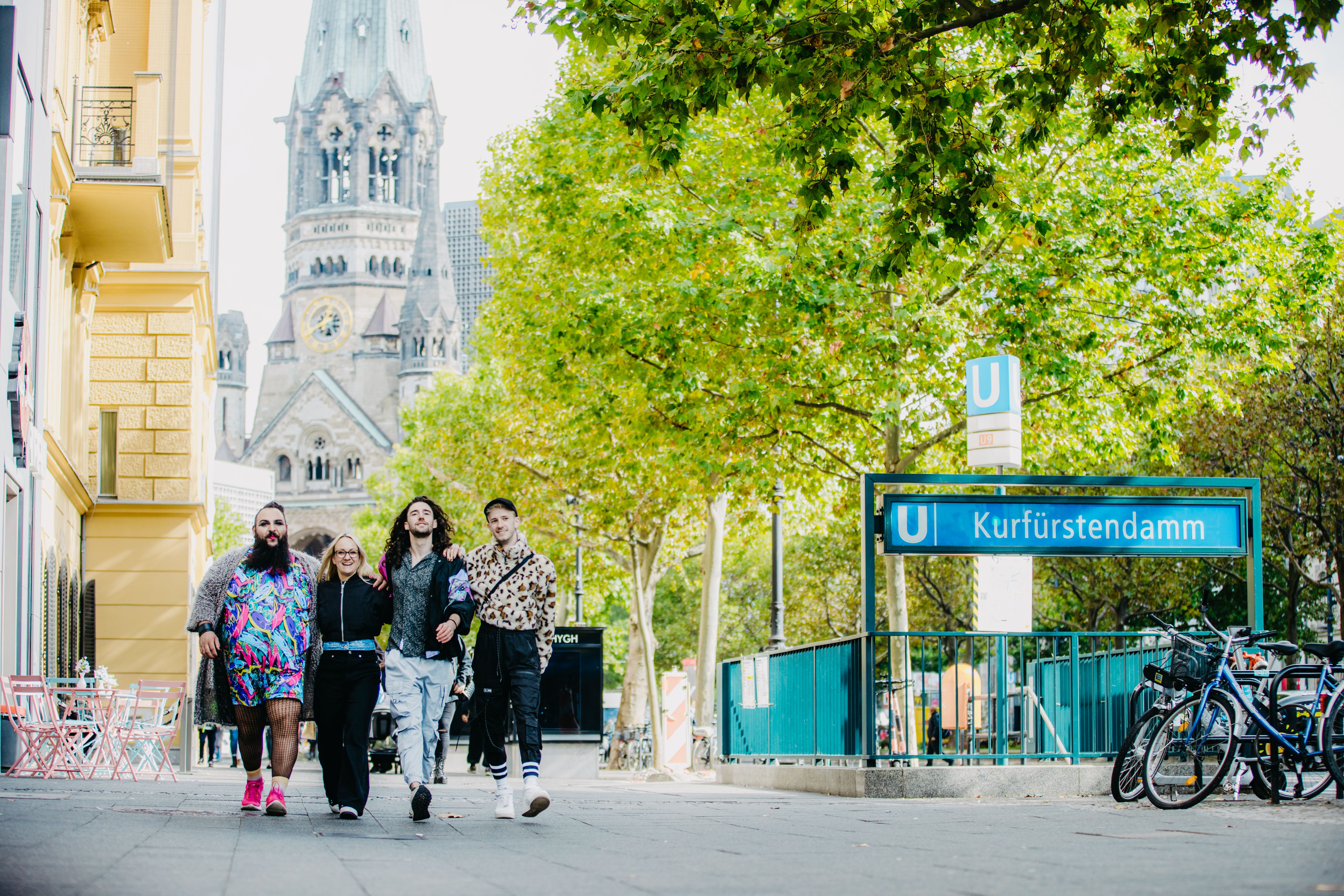
Berlin, Germany
85 %
As Germany’s capital, Berlin is advancing sustainable, city-compatible tourism and events through a destination management approach that balances economic resilience, climate action, social inclusion, and quality of life for residents and visitors. The city’s tourism development is guided by long-term frameworks such as the Sustainable and City-Compatible Tourism Plan and supported by visitBerlin’s role as the official DMO. visitBerlin translates this ambition into action through Sustainable Berlin, a sector-specific sustainability initiative for tourism and event businesses. Its criteria catalogue is recognised by the Global Sustainable Tourism Council and covers governance, environment, society, and economy. The programme supports companies in building sustainability management structures, increasing transparency, and becoming part of a destination-wide partner network. Berlin’s approach is continuously evolving through strategic projects such as the Climate Roadmap for Berlin tourism and the MICE industry, strengthened monitoring and reporting structures, accessibility initiatives, and collaborative formats including the Berlin Paper 2025 for future-oriented large-scale events. Together, these activities make sustainability a shared, measurable, and continuously developing principle of Berlin’s visitor economy.
View Item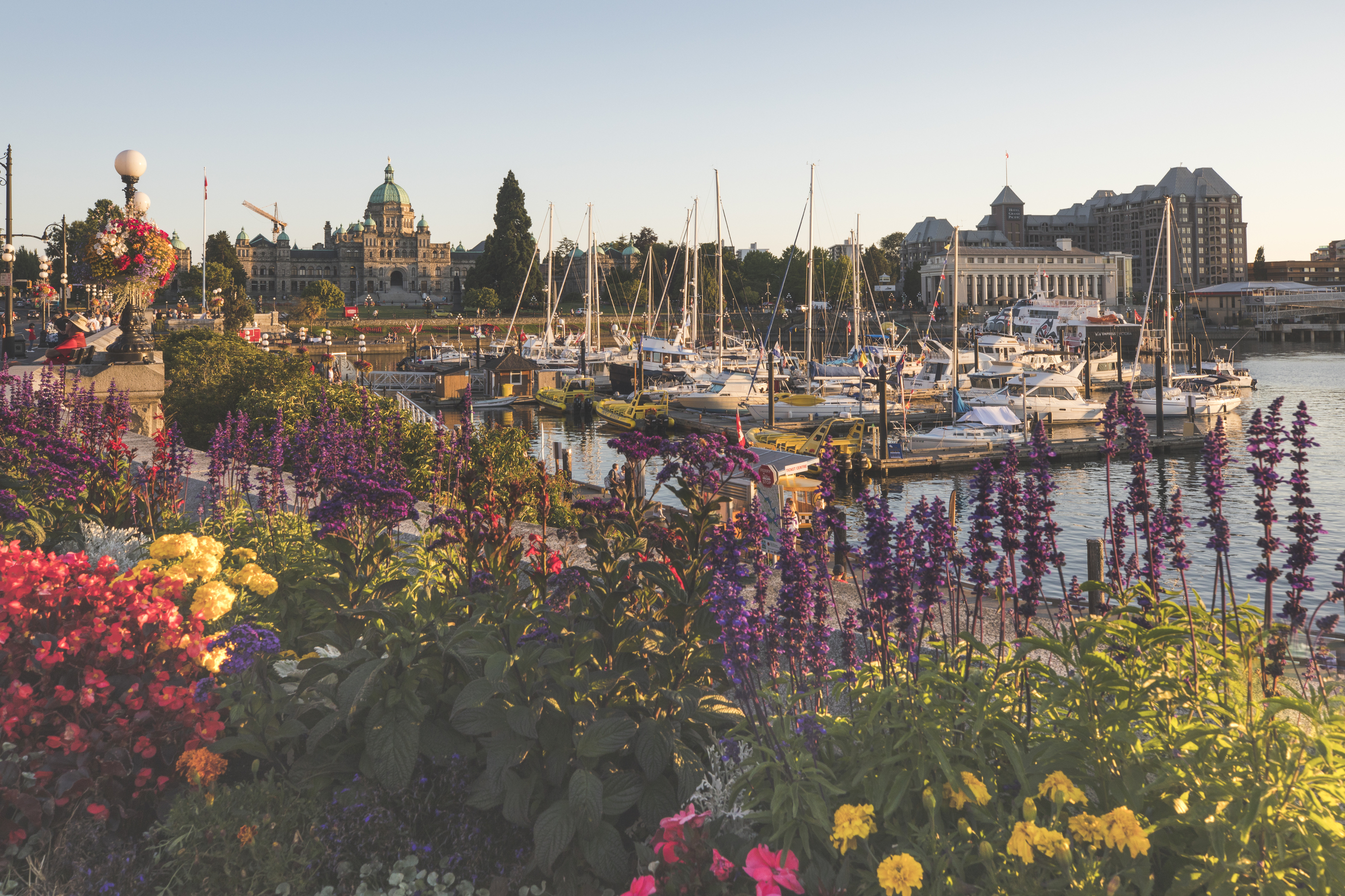
Victoria, Canada
84 %
Our DMO and the City of Victoria work in tandem to further sustainability progress in our destination. Through our work as a DMO, we have aligned directly with the UN Sustainable Development goals by certifying ourselves as well as many of our member businesses through the Biosphere Certification created by the Responsible Tourism Institute. Sustainability is highlighted as a foundational aspect of our organization within our business plan, translating words into action throughout the many facets of our organization. The City of Victoria continues to implement social, economic, and environmental initiatives as laid out in their comprehensive Zero Waste Plan, aimed at reducing waste creation, increasing environmental awareness and education, fostering environmental restoration and much more. In line with these strategies, the province of British Columbia continues to implement the CleanBC Roadmap, aimed significantly at reducing our provinces environmental impacts by 2030.
View Item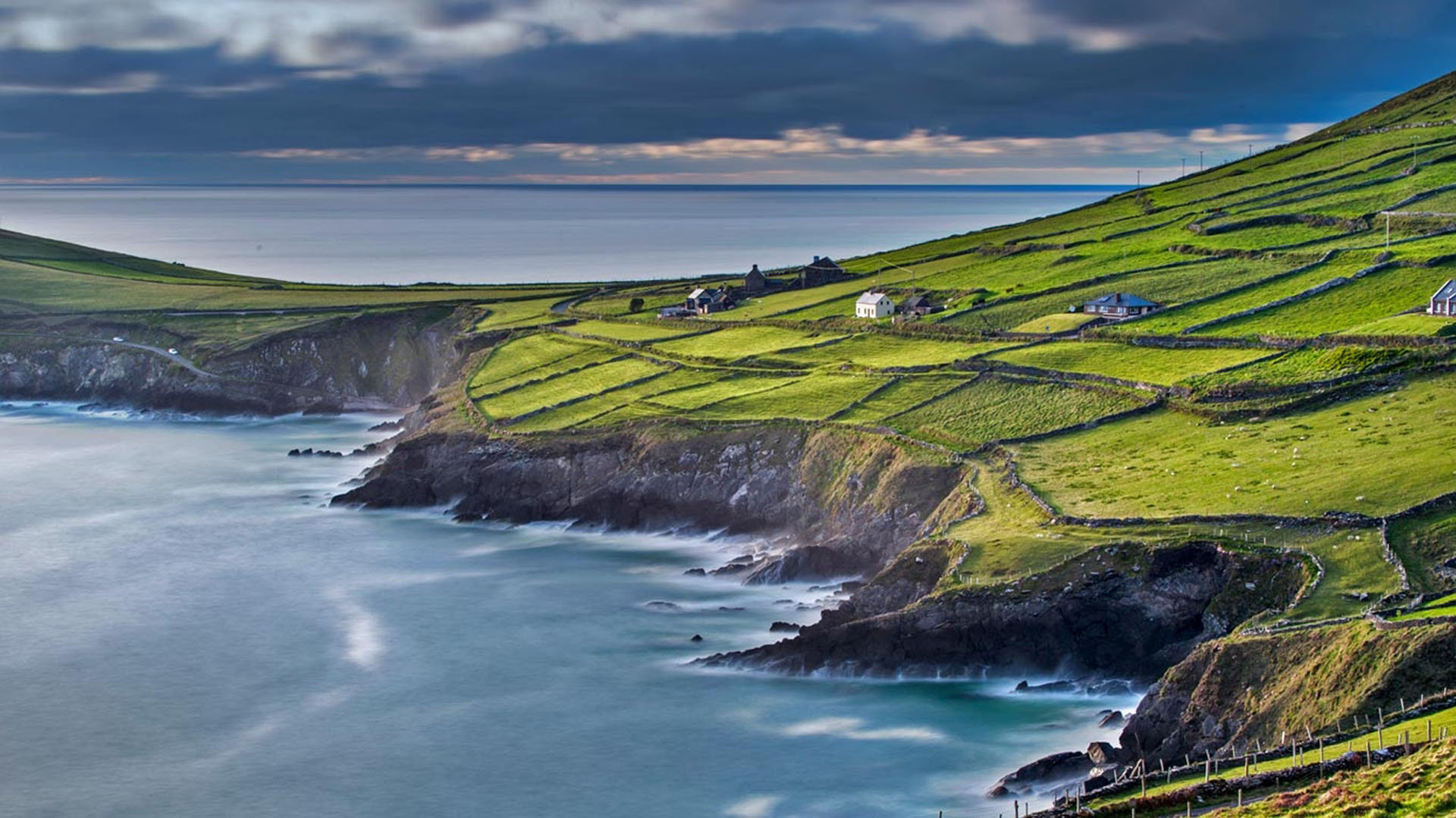
Kerry, Ireland
84 %
Kerry is future focused and extremely proud to be Ireland’s leading Sustainable Tourism destination, ranking alongside key global MICE destinations in the Top 20 since 2019. Working in collaboration with our partners at Kerry Tourism Industry Federation, our participation in this global benchmarking tool enables us to drive progress in the sustainable development of Kerry by engaging industry stakeholders, local community, and government. .Kerry Convention Bureau is constantly striving to work with our members to innovate and improve on new ways to be greener than before, pushing to bring sustainability to the forefront of the industry and at the heart of what we do. We work closely with industry leading organisations both within Ireland and internationally to stay informed and ensure that we are adopting best practice, accessing current training opportunities and in turn, sharing these with our members. We are committed to working with all our industry partners across the region to promote sustainability within the MICE industry. Our objective is to make holding a green event in Kerry easy!
View Item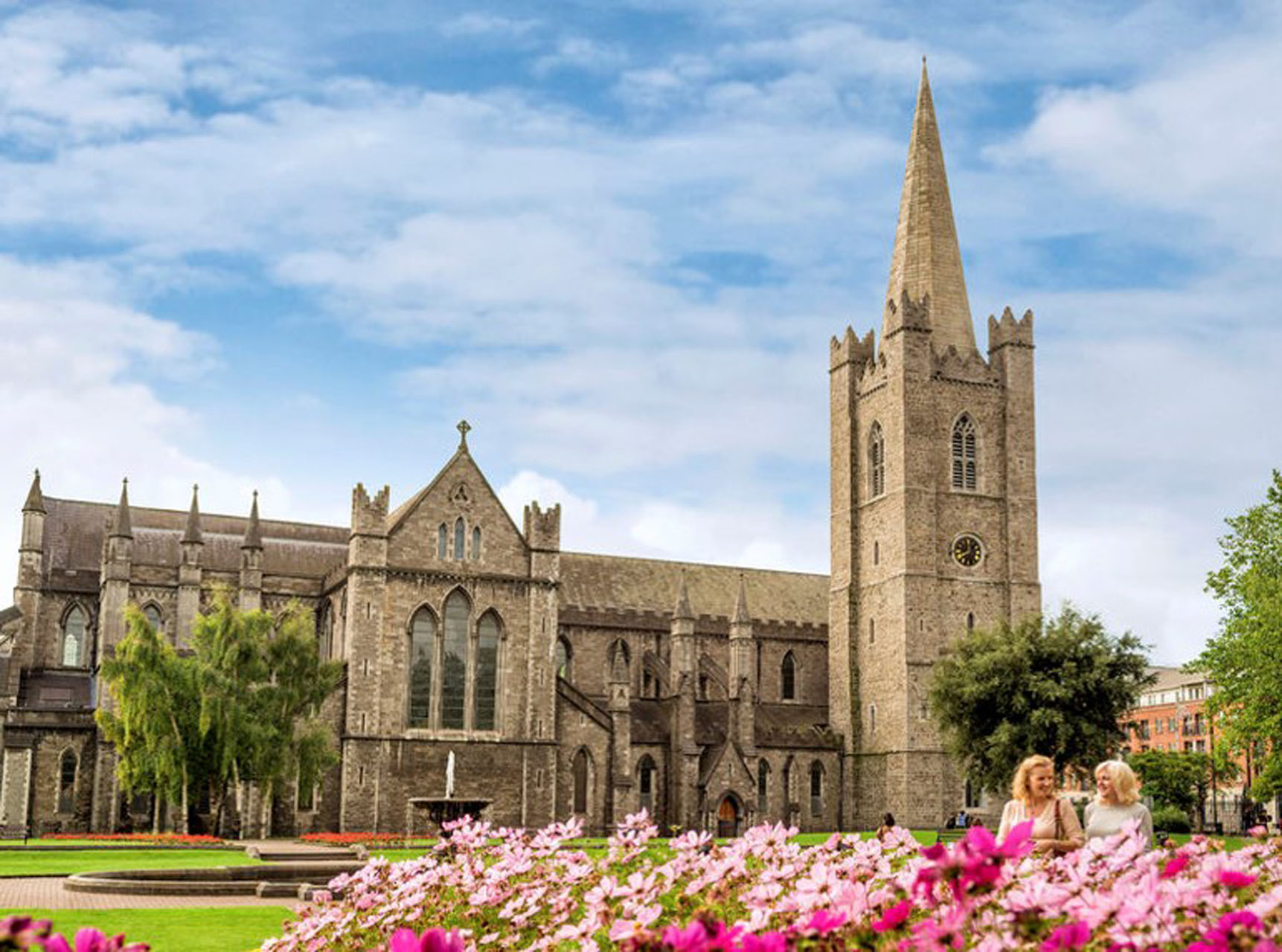
Dublin, Ireland
84 %
No summary
View Item
Stockholm, Sweden
84 %
The City of Stockholm is an economically, environmentally and socially sustainable city where people want to live, grow old and raise their children. The city has actively reduced its climate impact and achieved strong economic development, and the Stockholm living environments are generally good and safe. Sustainability plays an important role in the city’s overall policy document: Vision 2040 Stockholm – City of Opportunities. This document outlines the city’s long-term ambitions with regard to sustainable development. The vision is based on the city’s three principal operational goals: • A modern city with opportunities for everyone • A dynamic and sustainably growing city • A financially sustainable and innovative city In September 2024, the City Council adopted a new environmental program for the period 2025-2030. This program establishes the goals for the city's efforts in environmental and climate work. We need to transition, and this transition can only be achieved together. Stockholm aims to become climate positive by 2030 and fossil-free by 2040 through significantly reduced emissions and carbon capture. A key focus will be on drastically reducing the climate impact of the transport sector. The city's organization itself will be fossil-free by 2030.
View Item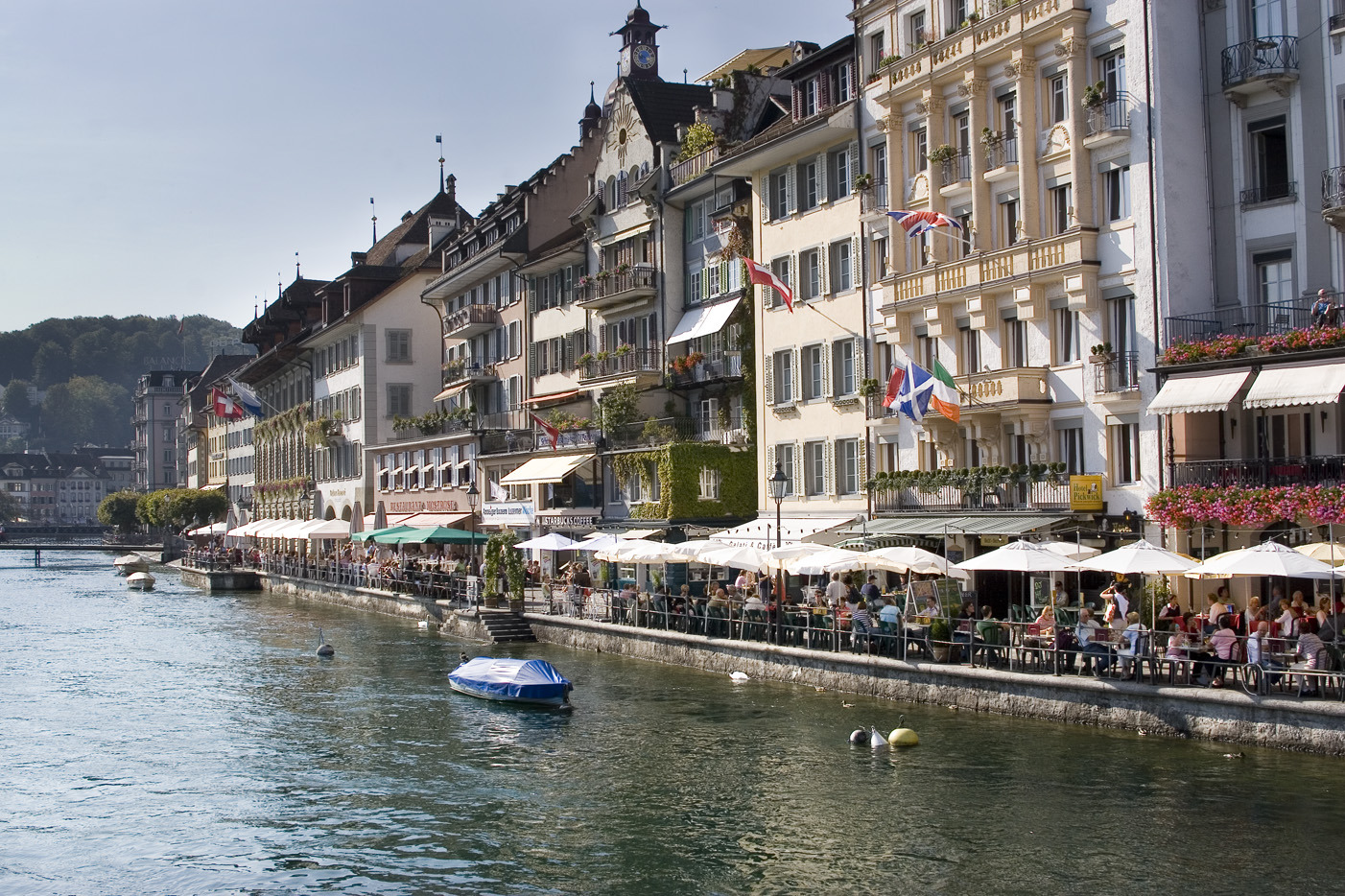
Luzern, Switzerland
83 %
Lucerne Tourism is committed to sustainable development in tourism: With optimizations in its own operations and the promotion of tourism offers that are close to nature and culture. The focus is on guest experiences that are attractive, have an economic benefit for the region and are as environmentally and socially compatible as possible. This is because more and more visitors are longing for authentic experiences, are looking for peace and relaxation from hectic everyday life during their vacations, and want offers that are enjoyable but fair. Companies and congress organizers are increasingly choosing locations and offers according to sustainable criteria.
View Item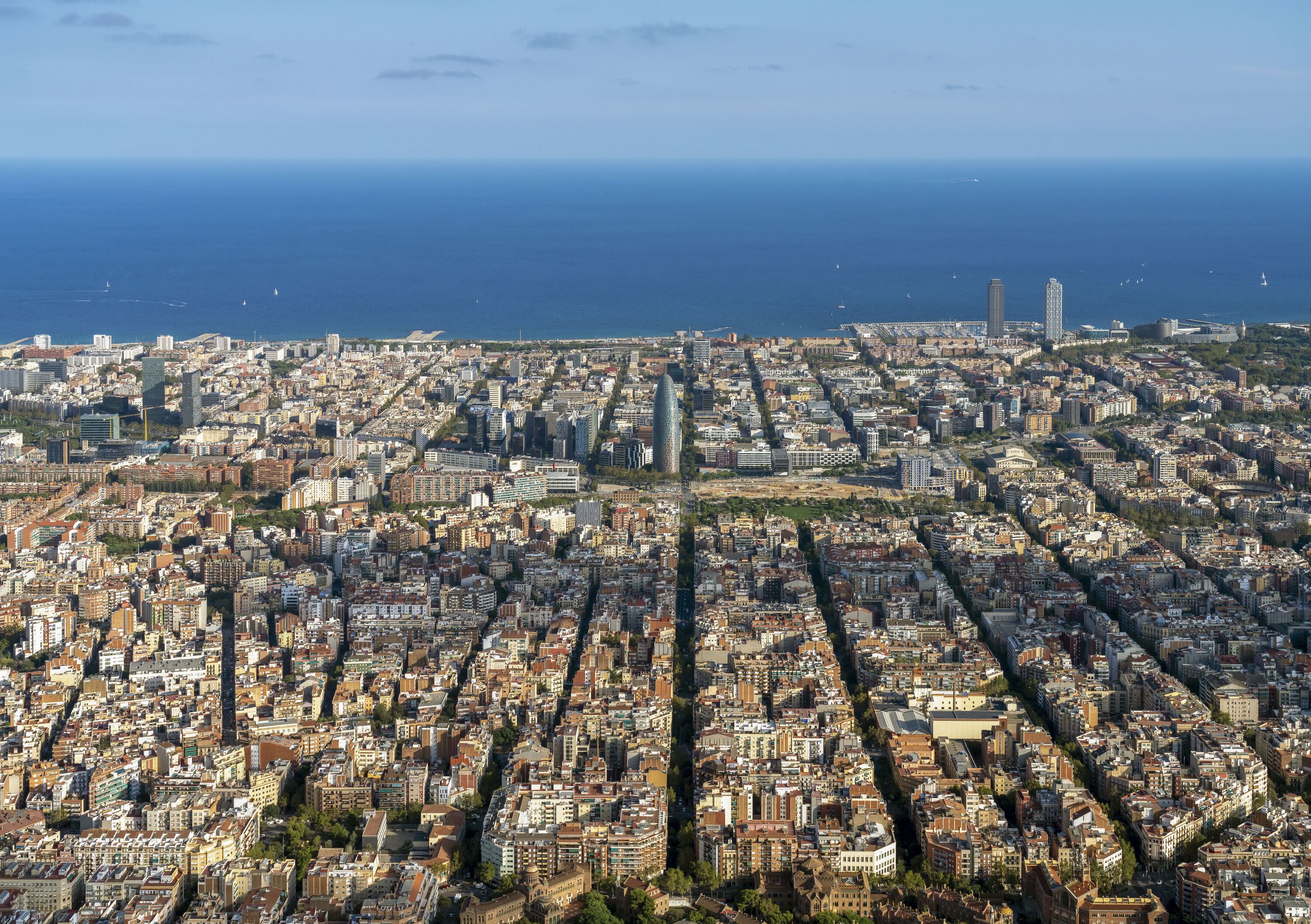
Barcelona, Spain
83 %
The Turisme de Barcelona Consortium was founded in 1993 to promote the city as a tourist destination. Since then we have been working to offer a range of products and services aimed at individual tourists and the professional tourism sector. Our ability to make a positive contribution to society and the environment is always uppermost in our minds when carrying out our work. This is why we implement a series of measures that allow us to realise our commitment from the global perspective of sustainability, within the framework of corporate social responsibility. This fact sheet brings together our main ventures which are designed to improve the quality of tourism in the cultural, socio-economic and environmental fields. The sustainability program offers visitors products and services that will allow them to enjoy the city in a sustainable way: environmentally aware accommodation, hotels with recognised eco-certifications, travel agencies specialising in accessible tourism, spaces and services dedicated to sustainable events, city tours, restaurants and sustainable means of transport.
View Item