
The GDS-Index is a destination-level programme that measures, benchmarks, and improves the sustainability strategy and performance of tourism and events destinations.
The GDS-Index is aligned with international standards; UN SDGs, GSTC Destination Criteria, UNWTO.
Click here to read more about the benchmarking methodology including data collection and verification, the four benchmarking categories, governance and criteria development and performance scoring methods.
This page highlights each destinations sustainability journey and will showcase their journey.
Performance Overview
Here is the total score and the score for the four categories for this destination.
Total
0%
Environmental
Social
Supplier
Destination Management Organisation
Environmental
Includes a city's performance pertaining to its policies and infrastructure, such as climate change commitment, carbon emissions, renewable energies, resource and water management, public transport, and air pollution levels.
Social
Indicates the performance of the city against indicators of SDG integration, Corruption, Personal Safety, Access to Information and Communications, Health and Wellness, and Inclusivity, using external sources such as the Social Progress Imperative Index, and Corruption Perceptions Index.
Supplier
Addresses the sustainability commitment and performance of the local meetings' industry supply chain, including airports, events agencies, hotels, venues, and restaurants.
Destination Management Organisation
Indicates the sustainability commitment, including questions pertaining to maturity of a destination's sustainability and regeneration strategy, leadership, communication of sustainability initiatives (to support client planners), and the accuracy of their reporting on sustainability operations.
Sustainability Journey
Summary
Environmental
Supplier
Social
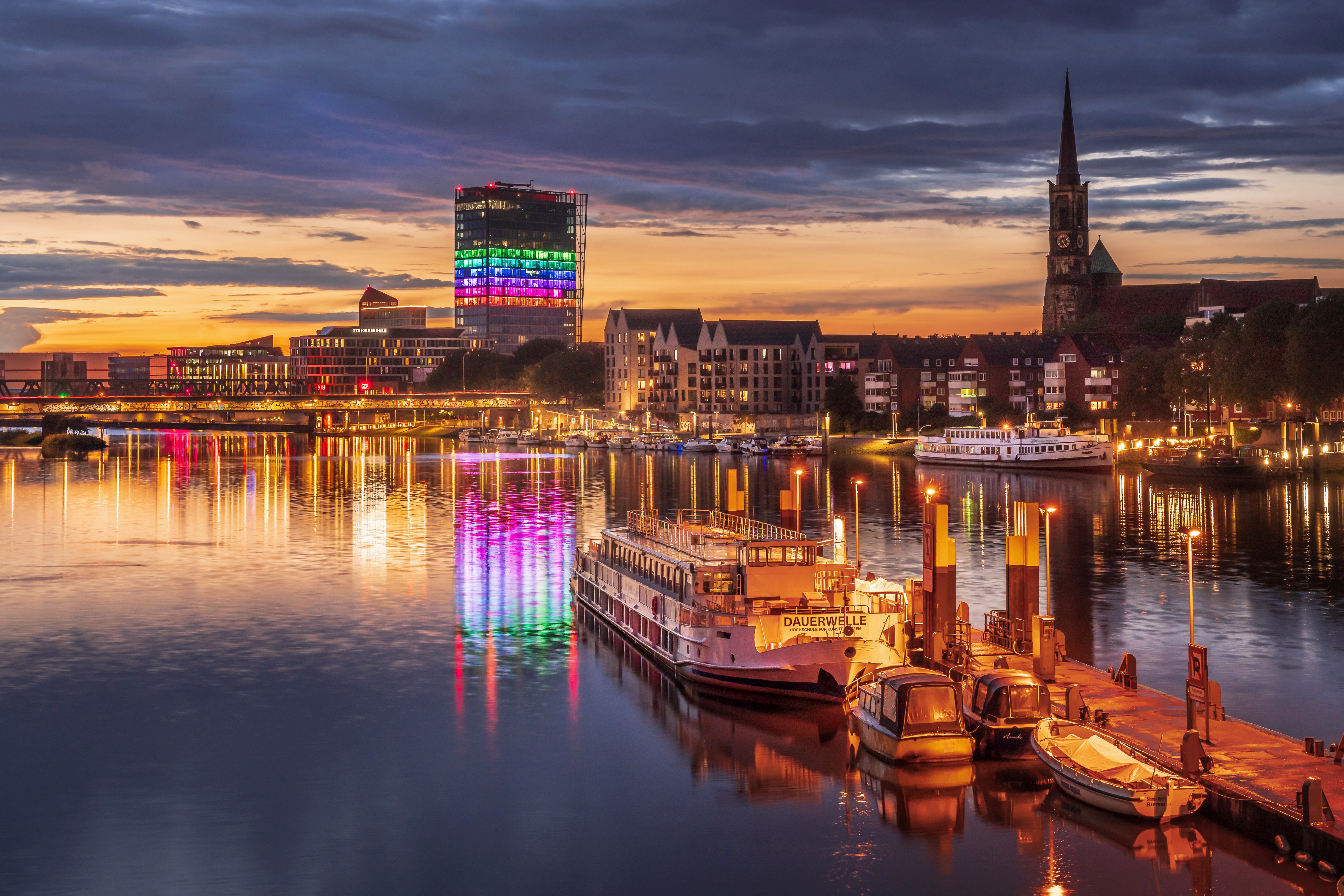
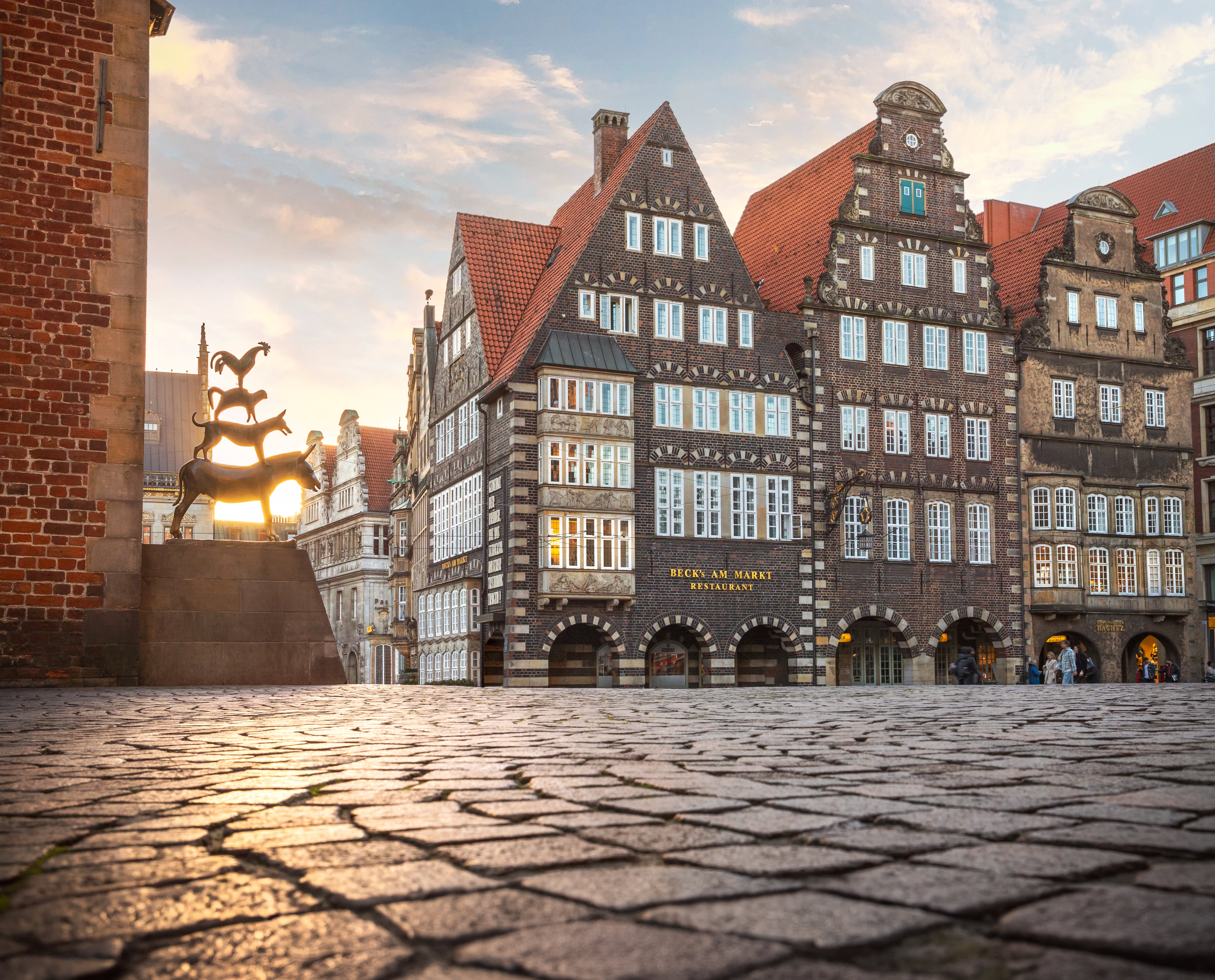
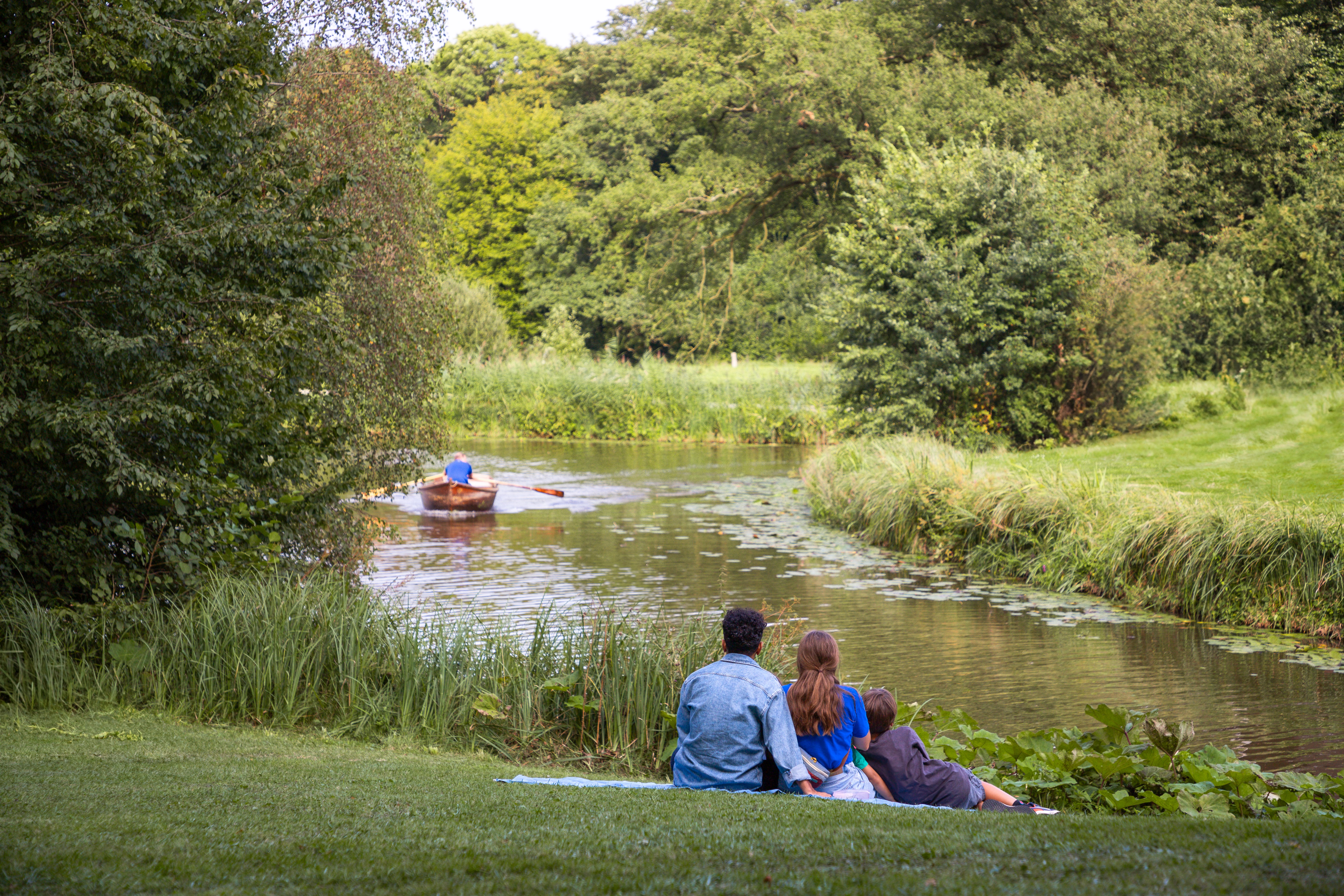
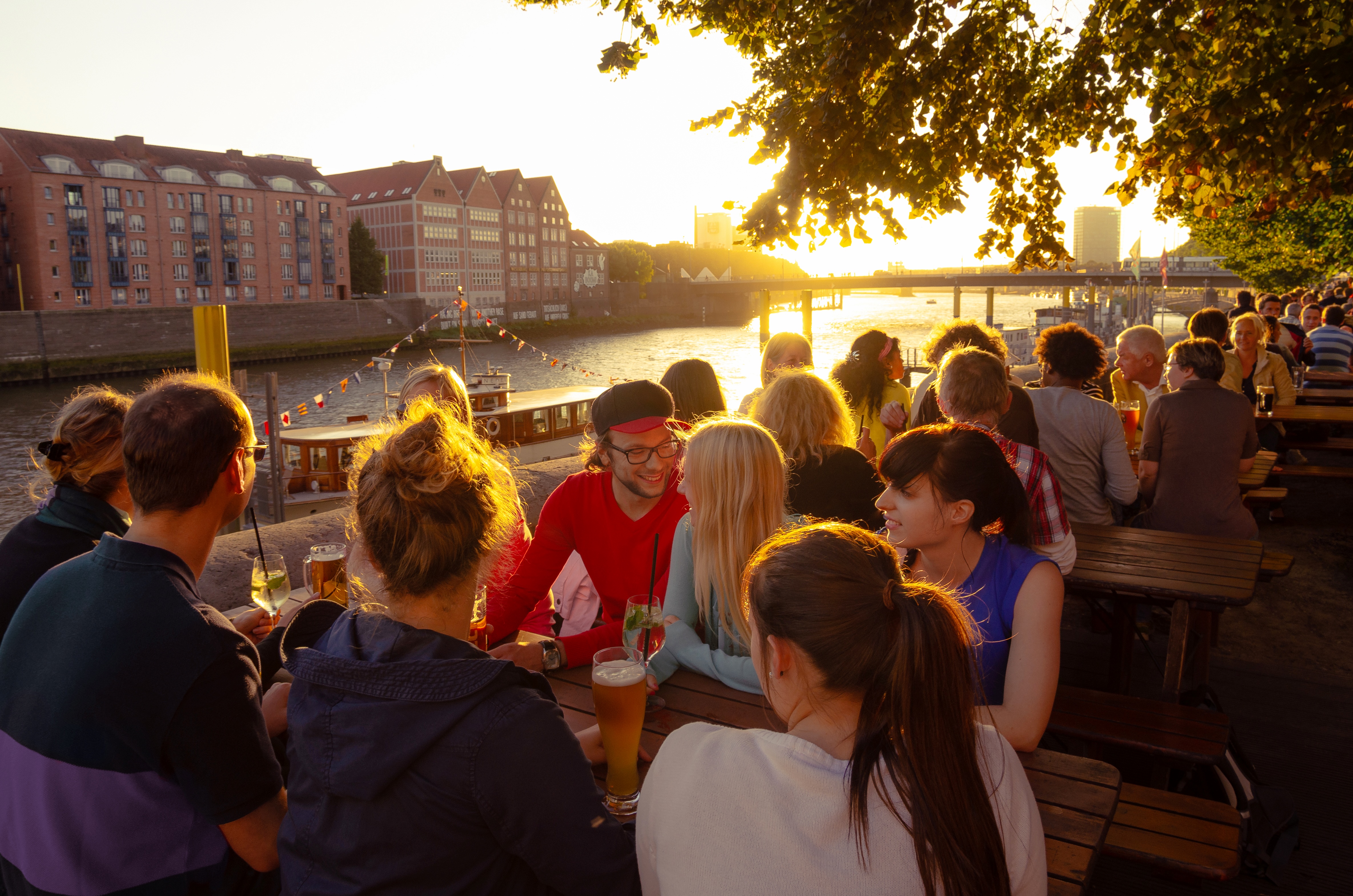
Bremen, a Hanseatic city in northern Germany, is situated directly on the Weser River and is renowned for its abundance of green spaces and recreational areas, earning it the reputation as one of the greenest major cities in the country. Bremen also has a lot to offer culturally, including two UNESCO World Heritage Sites (the Town Hall and the Roland statue). The WFB – Wirtschaftsförderung Bremen, along with its division “Bremen Tourism,” serves as the city’s destination management organization. Their commitment to sustainable tourism development is evident across a wide range of initiatives. A dedicated sustainability manager at Bremen Tourism is in charge of coordinating and implementing sustainability projects and initiatives across different thematic areas. This includes the development of a sustainability network with stakeholders from the tourism and leisure industry in Bremen, carrying out initiatives to boost sustainability in the MICE segment or increasing the visibility of sustainable tourism offers. Moreover, Bremen Tourism has an internal sustainability committee and has issued training sessions and guidelines on topics such as sustainable events and sustainable procurement.
Does Bremen Tourism & Convention have a Sustainability Strategy?
Does Bremen have a sustainable destination certificate?
Does Bremen Tourism & Convention report on its sustainability performance?
In Bremen, environmental sustainability is given high priority. With its Climate Protection Strategy 2038, Bremen is pursuing the goal of becoming climate-neutral by 2038. Moreover, Bremen is actively addressing the topic of mitigation through its comprehensive Climate Change Adaptation Strategy. Key measures include enhancing green infrastructure, raising awareness among stakeholders and promoting climate-resilient urban planning. In the area of mobility, Bremen is actively pursuing sustainable goals through its 2025 Transport Development Plan. A central objective is to strategically enhance public transport as well as infrastructure for walking and cycling. Known as a cycling-friendly city, around 25% of all journeys were already made by bike in 2021. Bremen is advancing this trend with initiatives such as the BIKE IT! project, the development of premium cycle routes, new sharing systems and expanded cycle parking facilities. Biodiversity is also seen as a central field of action in Bremen. In 2025, the Biodiversity Strategy 2030 was published which is also closely linked to the topics of climate protection and climate adaptation.
18%
OF ELECTRICITY
FROM RENEWABLES
60%
THE CITY’S
2030 CARBON
REDUCTION TARGET
3969 ha
HECTARES OF GREEN
AREA PER 100 000
POPULATION
The destination Bremen is focussing on sustainable development in the tourism sector in a holistic way that includes a close cooperation with local stakeholders and service providers along the tourism value chain. A key instrument is a sustainability network for tourism which brings together stakeholders from leisure businesses, gastronomy, the hotel industry, culture, event management and the MICE segment. In person training and networking sessions on sustainable marketing, sustainability certification or sustainable food pose the central activity of the initiative. Additionally, network meetings are held with the art and culture community to collaborate on ways to further integrate sustainability into this sector. Wirtschaftsförderung Bremen actively supports businesses by providing information about free services and funding opportunities that assist companies in advancing their sustainable development. Numerous hotels in Bremen already have a recognised sustainability certificates and the number is steadily growing. Currently, the development of a new tourism strategy that comprehensively addresses sustainability is underway which will act as a guiding document for the destination development in the years to come.
78%
OF HOTEL ROOMS
SUSTAINABILITY
CERTIFIED
0%
OF VENUES
SUSTAINABILITY
CERTIFIED
14%
OF PCOS/DMCS
SUSTAINABILITY
CERTIFIED
Sustainable tourism in Bremen focuses on the social aspect by supporting accessibility, measuring and monitoring resident sentiment and putting mechanisms in place to protect its cultural heritage. Accessibility is a key component of Bremen’s sustainability efforts. Bremen Tourism maintains a dedicated website offering comprehensive information on accessible accommodations, restaurants, attractions, and mobility options. Additionally, cultural and tourist venues actively participate by providing information about accessibility, trainings or socially equitable admission models. To contribute to the implementation of tourism projects in line with sustainability Bremen has a funding mechanism via the city-tax that supports tourism projects on culture, economic development and environmental initiatives. Moreover, repeated surveys show that the residents of Bremen feel that tourism development in Bremen adds economic and social value to their quality of life. Bremen is also forward-looking when it comes to education: Several universities offer degree programmes that put an emphasis on sustainability in the tourism and leisure industry.