
The GDS-Index is a destination-level programme that measures, benchmarks, and improves the sustainability strategy and performance of tourism and events destinations.
The GDS-Index is aligned with international standards; UN SDGs, GSTC Destination Criteria, UNWTO.
Click here to read more about the benchmarking methodology including data collection and verification, the four benchmarking categories, governance and criteria development and performance scoring methods.
This page highlights each destinations sustainability journey and will showcase their journey.
Performance Overview
Here is the total score and the score for the four categories for this destination.
Total
0%
Environmental
Social
Supplier
Destination Management Organisation
Environmental
Includes a city's performance pertaining to its policies and infrastructure, such as climate change commitment, carbon emissions, renewable energies, resource and water management, public transport, and air pollution levels.
Social
Indicates the performance of the city against indicators of SDG integration, Corruption, Personal Safety, Access to Information and Communications, Health and Wellness, and Inclusivity, using external sources such as the Social Progress Imperative Index, and Corruption Perceptions Index.
Supplier
Addresses the sustainability commitment and performance of the local meetings' industry supply chain, including airports, events agencies, hotels, venues, and restaurants.
Destination Management Organisation
Indicates the sustainability commitment, including questions pertaining to maturity of a destination's sustainability and regeneration strategy, leadership, communication of sustainability initiatives (to support client planners), and the accuracy of their reporting on sustainability operations.
Sustainability Journey
Summary
Environmental
Supplier
Social
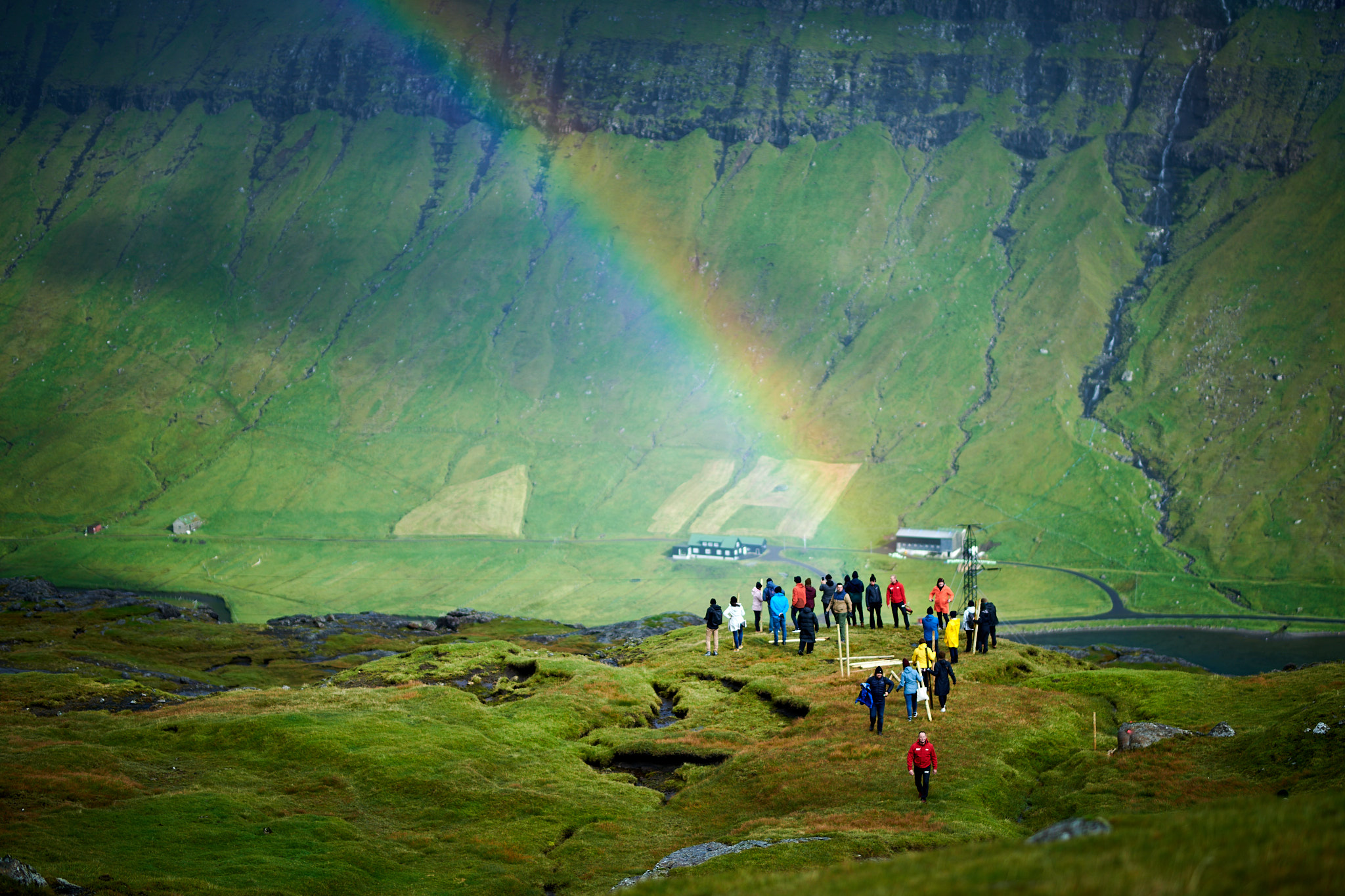
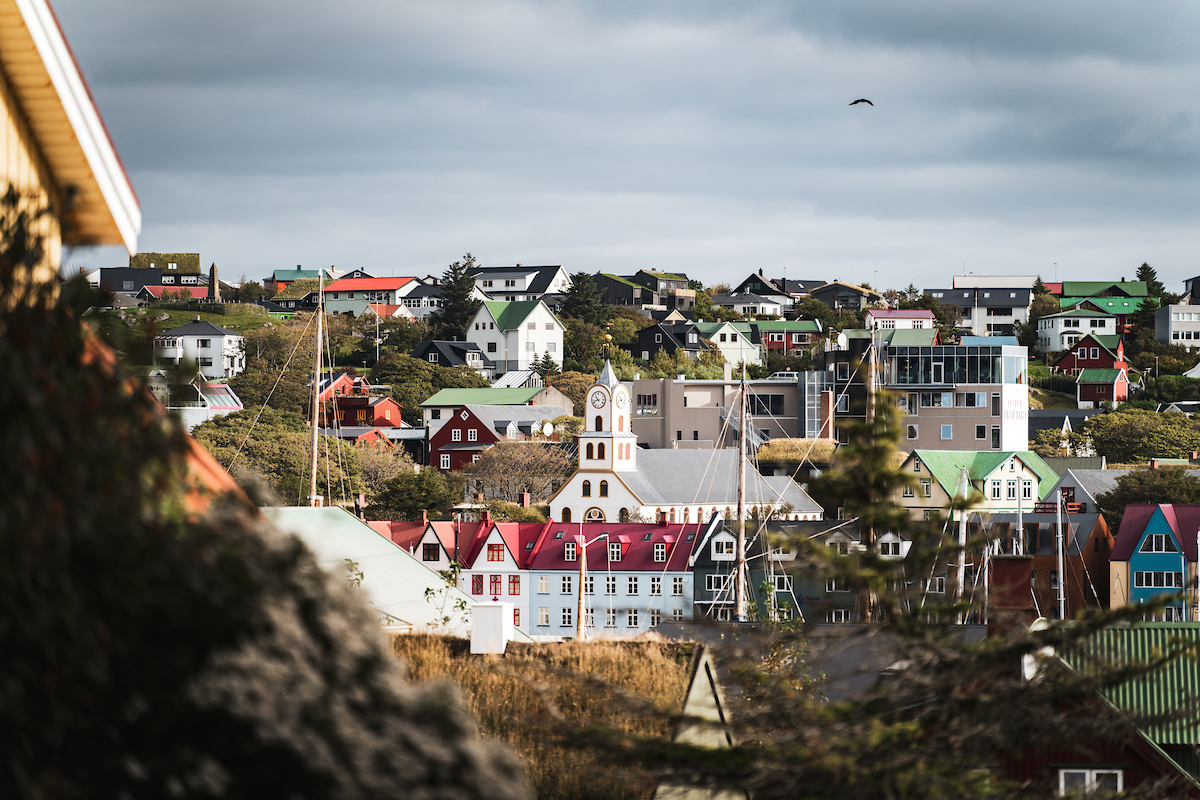
Within the last few years, the Faroe Islands has developed from being small dots in the North Atlantic with little global awareness to a destination on the bucket list of travellers from all over the world. Tourism is expected to continue its growth and eventually become a significant new economic engine for the Faroe Islands. Visit Faroe Islands launched a new strategy in 2023 setting out the direction of travel and our goals for Faroese tourism over the coming years. It’s the result of thousands of conversations, hundreds of meetings, and masses of inspiration from our international colleagues. A revolutionary ‘bottom-up’ strategy was applied, the first of its kind to be done in the tourism sector worldwide. An environment and community first approach.
Does Visit Faroe Islands have a Sustainability Strategy?
Does Faroe Islands have a sustainable destination certificate?
Does Visit Faroe Islands report on its sustainability performance?
50%
OF ELECTRICITY
FROM RENEWABLES
50%
THE CITY’S
2030 CARBON
REDUCTION TARGET
71500 ha
HECTARES OF GREEN
AREA PER 100 000
POPULATION
54%
OF HOTEL ROOMS
SUSTAINABILITY
CERTIFIED
100%
OF VENUES
SUSTAINABILITY
CERTIFIED
0%
OF PCOS/DMCS
SUSTAINABILITY
CERTIFIED