
The GDS-Index is a destination-level programme that measures, benchmarks, and improves the sustainability strategy and performance of tourism and events destinations.
The GDS-Index is aligned with international standards; UN SDGs, GSTC Destination Criteria, UNWTO.
Click here to read more about the benchmarking methodology including data collection and verification, the four benchmarking categories, governance and criteria development and performance scoring methods.
This page highlights each destinations sustainability journey and will showcase their journey.
Performance Overview
Here is the total score and the score for the four categories for this destination.
Total
0%
Environmental
Social
Supplier
Destination Management Organisation
Environmental
Includes a city's performance pertaining to its policies and infrastructure, such as climate change commitment, carbon emissions, renewable energies, resource and water management, public transport, and air pollution levels.
Social
Indicates the performance of the city against indicators of SDG integration, Corruption, Personal Safety, Access to Information and Communications, Health and Wellness, and Inclusivity, using external sources such as the Social Progress Imperative Index, and Corruption Perceptions Index.
Supplier
Addresses the sustainability commitment and performance of the local meetings' industry supply chain, including airports, events agencies, hotels, venues, and restaurants.
Destination Management Organisation
Indicates the sustainability commitment, including questions pertaining to maturity of a destination's sustainability and regeneration strategy, leadership, communication of sustainability initiatives (to support client planners), and the accuracy of their reporting on sustainability operations.
Sustainability Journey
Summary
Environmental
Supplier
Social
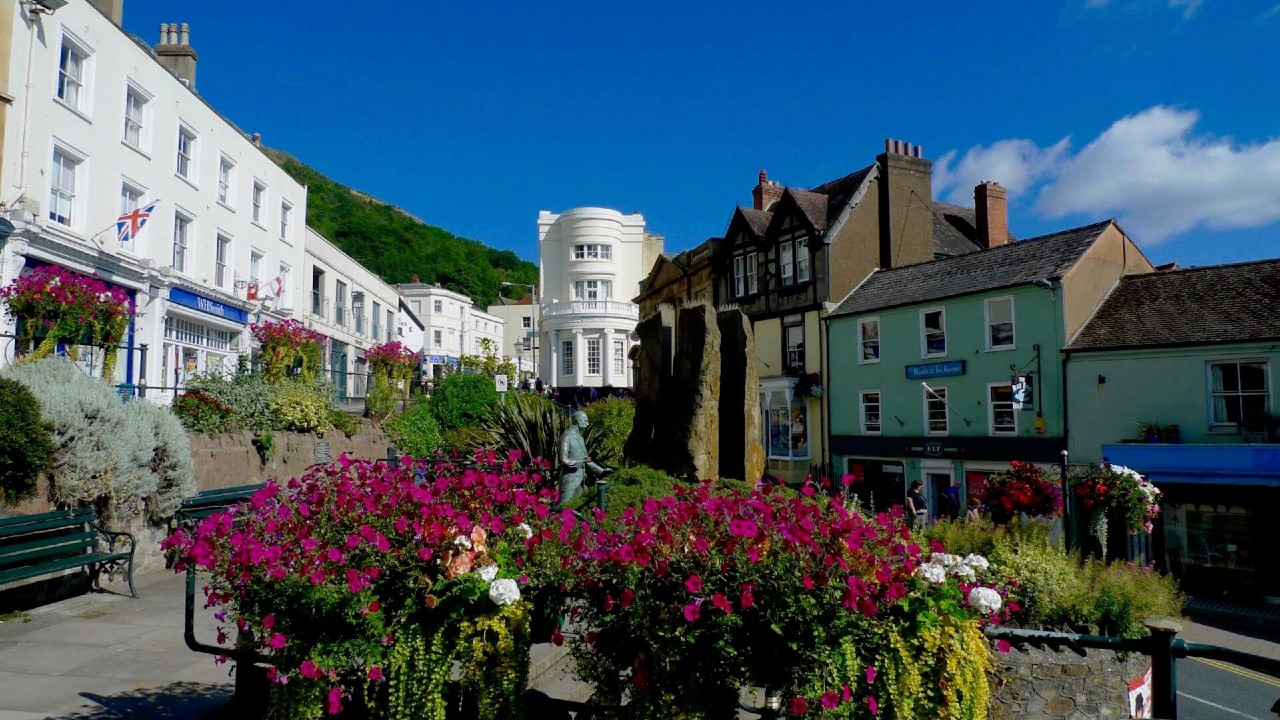
The Malverns is a destination in the Midlands region in the UK and is located in the Malvern Hills district in Worcestershire. A large part of the district is made up of the Malvern Hills Natural Landscape (AONB) and Malvern Hills and Abberley Geopark along with agricultural landscapes, orchards, nature reserves, rivers, flood plains with Lammas meadows, villages and our three historic towns - Malvern (Great Malvern, Barnards Green & Malvern link), Tenbury Wells and Upton upon Severn. The Malvern Hills were formed over 650 million years ago in Precambrian era and are designated as a Site of Special Scientific Interest (SSSI) by Natural England. The Malvern Hills complex is home to the finest remaining example of iron-age hillforts in the country - a site where extensive Iron Age earthworks are still visible today with British Camp and Hollybush Hill each recognised and protected as an Ancient Scheduled Monuments. The area is connected in heritage and culture with Benedictine monasteries, historic houses, castles, battle sites and Malvern spring water, with many stories of famous people living in or visiting The Malverns, including Sir Edward Elgar, Florence Nightingale, Charles Darwin, George Bernard-Shaw, C.S Lewis, J.R.R. Tolkien and William Langland (Middle-English poet pre-dating Chaucer). The River Severn and River Teme flow through the historic towns of Upton upon Severn and Tenbury Wells with music festivals and annual apple and mistletoe harvest celebrations. Find out more: www.visitthemalverns.org The new Regenerative Tourism Strategy 2025-2030 is aligned with the Malvern Hills National Landscape Management Plan (2025-2030) and aims to establish a sustainable framework, where tourism not only supports the local environment and culture but actively contributes to the long-term prosperity of the area supporting local jobs and businesses. The strategy's success will also be felt in the revitalisation of town centres, where both residents and visitors can enjoy vibrant high streets and flourishing businesses with an increase in visitor footfall helping to ensure high town centre occupancy rates - creating a sense of ‘pride of place’ amongst residents. By integrating regenerative practices, the district will set a benchmark for responsible tourism that promotes resilience with community engagement and involvement in tourism activities. The tourism strategy is linked to achieving UN Sustainable Development Goals. MHDC Plan Continue to invest to support and enable our communities to become healthier, safer and stronger Tackle the root causes of poverty and help residents to prevent, survive and recover from financial hardship Give young people the opportunity to have a say in public services Create a vibrant arts community that delivers social, economic and health benefits for our residents Support vibrant town centres and an attractive tourism offer Lead Malvern Hills District Council and the wider district to become carbon neutral
Does Visit The Malverns have a Sustainability Strategy?
Does The Malverns have a sustainable destination certificate?
Does Visit The Malverns report on its sustainability performance?
The Malvern Hills district environmental sustainability performance is good, with various organisations and partners working together for the benefit of the natural environment. These organisations include Malvern Hills District Council, Malvern Hills Natural Landscape (AONB), Malvern Hills Trust, Worcestershire Council Council, the Canal and Rivers Trust, the Environment Agency and Worcestershire Wildlife Trust. Each organisation has targets and actions to help improve and conserve the natural environment. Malvern Hills District Council is committed to improving its sustainability performance by delivering the actions in the Council Plan.
53%
OF ELECTRICITY
FROM RENEWABLES
50%
THE CITY’S
2030 CARBON
REDUCTION TARGET
50129 ha
HECTARES OF GREEN
AREA PER 100 000
POPULATION
The destination doesn't collectively have a sustainable meetings and events programme but event organisers are encouraged to adopt green practices and organisations have their own sustainability strategies. For example: The Three Counties Showground welcomes around 1 million visitors per annum and is a leader in sustainability as well as Malvern's largest hotel having sustainability credentials. The Sustainable Events Strategy is available to view on our website.
68%
OF HOTEL ROOMS
SUSTAINABILITY
CERTIFIED
100%
OF VENUES
SUSTAINABILITY
CERTIFIED
33%
OF PCOS/DMCS
SUSTAINABILITY
CERTIFIED
Overall, the district residents fit the ABC1 socio-economic demographic but there are small areas of deprivation which the Community Services Team at Malvern Hills District Council provides support to these residents via programmes and initiatives from the Connected Communities Strategy.. Community groups, local artists and performers are encouraged / grants provided to ensure local residents are part of the festival programme. Examples include: Stagecoach and Dancefest performing at the Malvern Well Dressing and Water Festival; and by MHDC working with Creatives Connect (a local arts community group), we organised Narnia-themed window displays across the town to help celebrate the 125th birthday of C.S Lewis who has close ties with the town. The gas-lamps outside Great Malvern Priory are said to have inspired the children's book The Lion, The Witch and The Wardrobe. A new festival was introduced in 2022 to encourage children back into learning after the pandemic. The Great Malvern Festival of Stories for Children includes a four day programme for local schools and a weekend programme for families. In its first year, Joseph Coelho the Children's Laureate at the time read to school children and there have been various other top authors, illustrators, storytellers, puppetry and theatre.